HomeNews
Calls for stricter regulations for the shipping industry
Calls for stricter regulations for the shipping industry
Waste Managed is calling for stricter regulations nationwide for the shipping industry, following an incident on the 19th July 2026, where one ship collided into a container ship at the Port of Tyne in South Shields, causing one billion nurdles to pollute the River Tyne.
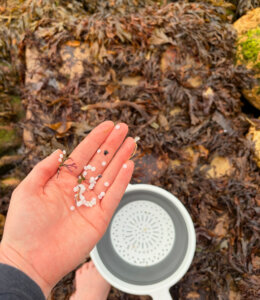
The aftermath of the incident has caused plastic pellets, also known as nurdles, to wash up on beaches across the North East, with major clean-up operations ongoing across the coastline.
Protesters and local councils alike have expressed their anger over the nurdle spill, and whilst the risk to the public is low, concerns are mounting over action not being taken quickly enough, with many citing it as the region’s worst environmental disaster in decades.
Now, we’ve launched a petition calling for stricter regulations to be enforced for the shipping industry, to avoid another incident of this nature occurring.
The ship crashed into a container ship in South Shields on the 19th July 2026
One billion plastic pellets (nurdles) swept into the River Tyne following the incident and are now sweeping up on beaches across the region’s coastline
Waste Managed is calling for stricter regulations for the shipping industry nationwide
How did the River Tyne incident unfold?
The ship crashed into a container ship at the Port of Tyne in South Shields on the 19th July 2026. In the first instance, the damage looked to only extend to the ships and dockside crane which collapsed, but in the days following the incident, nurdles began washing up on beaches across the North East.
Despite the Port of Tyne insisting that they acted quickly enough to contain the damage, one billion nurdles swept into the River Tyne, causing an unprecedented environmental disaster.
What is the longer term impact will the incident have on the North East?
With an estimated one billion nurdles now out at sea across the region following the incident, concerns are mounting over the longer-term impact. Whilst public health risks remain low, concerns are mounting not only over the impact on the region’s wildlife but also over the longer-term impact on the North East coastline.
Although clean up efforts are underway by local residents, councils and environmental charities, plastic pellets can last for years once they get into the environment, with environmental charity, Fidra, stating that it can take up to 100 years to degrade naturally. Nurdles can move easily through interconnected rivers and coastal waters, potentially spreading pollution far past the original accident site.
Why are we calling for stricter enforcements needed for the shipping industry?
We call for stronger regulations in the shipping industry to reduce the risk of nurdles escaping during transportation. By introducing mandatory measures at sea, we can help stop incidents like this from occurring in the future. The spill has not only raised concern among local pet owners but also posed a serious threat to wildlife and the wider coastal environment.
Stronger enforcement for the shipping industry is a necessary step to protect coastal communities, marine ecosystems and the region’s natural habitats from pollution.
Kelvin Croney, Chief Commercial Officer at Waste Managed, shares his thoughts on the River Tyne nurdle spill:
Unfortunately, this disaster is a stark reminder of how fragile our coastline is, and we’re lucky enough to have some of the most stunning coastlines in the country.
A billion nurdles might sound abstract, so to help the public and local community here in Newcastle put this into perspective, we’ve calculated how far the nurdles would reach end to end – and the results are shocking. 122,000 Grey’s Monuments, stacked on top of each other. In distance terms, the nurdles could stretch from Newcastle to Cape Verde in a straight line, which would take 6.5 hours to fly.
But, behind these numbers is a very real and serious problem. Local wildlife may confuse this plastic for food, which could cause serious damage. I’m also very concerned about this plastic getting into the hands of children during the summer holidays or being picked up by dogs out on the beach.
It’s incredible to see local organisations come together to tackle the clean-up, but this isn’t the only fix. The real issue is that it happened in the first place and despite the best efforts, I don’t think the plastic will ever truly be gone, certainly not in our lifetimes. Spills such as this are entirely preventable. This isn’t a freak accident; it is a failure of basic safeguards. Simple measures like sealed containers, spill response kits and mandatory reporting would have stopped this disaster before it started. The shipping industry needs to answer for this and treat plastic pellets with the same seriousness as any other hazardous cargo, because right now, the regulations simply aren’t there.”
“As a business committed to helping organisations manage waste responsibly, we couldn’t ignore what has happened on our doorstep.
That’s why we’ve donated £500 to Nurdle to help support their incredible work in cleaning up and protecting our coastline. It’s a small contribution towards a much bigger challenge, but one we’re proud to make.
Like so many people across the North East, we are deeply concerned about the impact of the plastic nurdles that have washed up along our coastline. Our coastline deserves better.
We’re proud to support Nurdle in their meaningful action to help protect our marine environment. We urge all local North East businesses to do the same where possible.”
Damon Smith, CEO at Waste Managed
This incident wasn’t just a crash involving two ships; it will have a prolonged impact on the North East.
Take a stand with us at Waste Managed, as we not only call for stricter enforcement in the shipping industry but also for a full investigation into the incident to prevent another incident of this nature in our region and beyond.
Author
Lyndsay Close – Head of Marketing
Lyndsay joined Waste Managed in April 2025 and brings with her a wealth of marketing knowledge. With degrees in Advertising, Marketing, and Digital Marketing, and being an Associate Member of CIM, Lyndsay is passionate about sustainability, storytelling, and delivering customer excellence.