


Sanitary bin collection services
Sanitary waste management services are important to keep your business compliant, hygienic and clean. Under the Workplace (Health, Safety and Welfare) Regulations 1992, the Environmental Protection Act 1990, and the Water Industries Act 1991, businesses have a duty of care to make sure that sanitary waste is disposed of safely and not flushed down toilets.
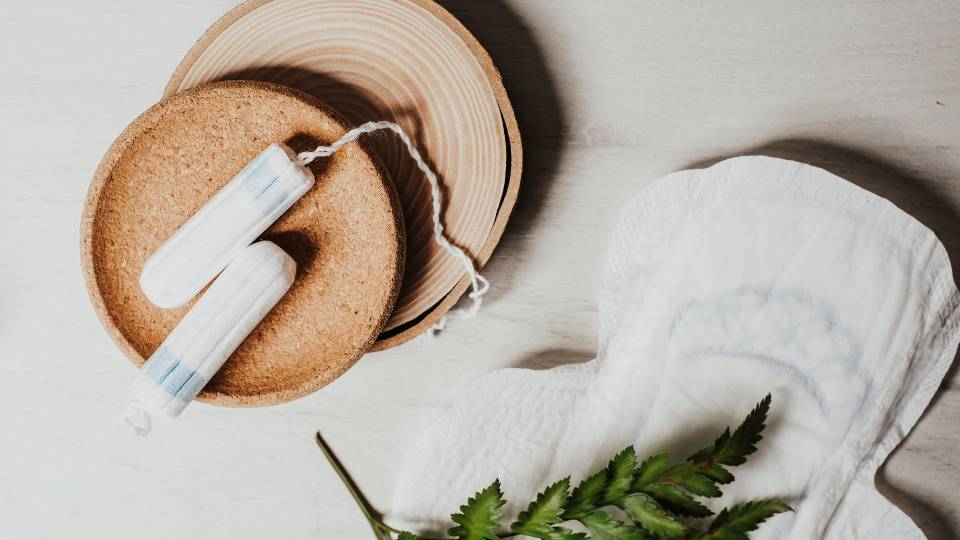
Sanitary waste is also known as offensive waste or hygiene waste. It includes nappies, feminine hygiene products, incontinence pads, and any waste that has been soiled by non-infectious bodily fluids. If the waste is infectious, it then becomes classed as clinical waste. Sanitary waste cannot be flushed down toilets. In your business, it must be stored separately from other waste types and disposed of in commercial sanitary bins.
Commercial sanitary bins are still needed even if your business is small. If you offer any type of toilet, including unisex or gender-neutral and staff-only, you are responsible for sanitary disposal services and need to have sanitary waste bins in place. Your duty doesn’t stop at colleagues. It extends to customers, clients and any other visitors to your premises. It is essential that you understand the proper sanitary waste management process to keep your business hygienic and compliant with UK regulations.
Easily accessed and well-maintained sanitary bins must be supplied in all public female and gender-neutral bathrooms, including those in:
Sanitary waste disposal services
The lifecycle of sanitary waste disposal is increasingly becoming an environmental concern. It is estimated that over 4.3 billion disposable menstrual products end up in oceans and landfills after use, causing severe environmental damage and harm (PHS Group, 2026). When your commercial sanitary bins are collected by our licensed suppliers, they are transported to facilities that are authorised to treat sanitary waste. Because we work with environmentally responsible suppliers, your sanitary waste is mainly sent to energy-from-waste (EfW) facilities. Instead of sending waste to a landfill, these state-of-the-art facilities transform the waste into energy. This energy is then able to power businesses, homes and schools across the UK. At Waste Managed, we make sure your sanitary waste management is handled safely, compliantly, and sustainably.
How often should you be replacing sanitary bins?
The frequency of your sanitary waste collection will depend on how regularly your washrooms are used and the amount of waste created. At Waste Managed, we will work with you to create a tailored sanitary waste collection schedule that is right for your business.
To keep your washrooms hygienic and to prevent odours, we recommend that you regularly replace or service your commercial sanitary bins. Here are some general guidelines that we will use to help determine the schedule that works for you:
Weekly sanitary waste collection:
Sanitary bins for offices, schools and public restrooms have high, regular usage. Here we recommend weekly collections to keep your commercial sanitary bins emptied, cleaned, and properly sanitised.
Biweekly sanitary waste collection:
- For smaller businesses with less washroom usage, like small cafes, sanitary waste removal every two weeks might be enough to keep areas hygienic and clean. This should be reviewed regularly to make sure the needs of your business are being met.
Sanitary bin services for high-traffic areas:
Shopping centres, airports, and busy venues like gyms, pubs and restaurants have a high daily usage. If your business is in this area, you will need multiple sanitary bin collections every week and might even need daily collections.
Overflow, Odour and Seasonal Adjustments:
If you notice that your commercial sanitary bins are overflowing, have an unpleasant odour, and/or your washrooms are being used more regularly at certain times of year, this means that you need to increase your collection frequencies.
We recommend that you monitor the usage of your commercial sanitary bins and change the collection frequency when needed so that your business stays clean, safe and compliant.
At Waste Managed, we will help you find the right frequency schedule for your business.
Call us now on 0333 052 9094 or get an online quote here.
What our experts say

Kelvin Croney, Chief Commercial Officer at Waste Managed, lets us know why it is important to regularly review your commercial sanitary bin collection schedule: “As your business grows, or as your footfall changes, especially during seasonal peaks, your initial collection schedule may no longer be fit for purpose. If you are seeing overflowing sanitary bins or noticing odours, you are risking your legal duty of care. Regularly reviewing your collection frequency keeps your washrooms clean, compliant, and safe for every user. Here at Waste Managed, we take the complexity out of your sanitary waste management. By providing tailored solutions for sanitary waste collection, we will keep your business compliant, clean and hygienic.”
What Types of Businesses Need Sanitary Bins?
In the UK, all businesses need to provide sanitary bins in women’s restrooms to meet hygiene standards set out in the Workplace (Health, Safety, and Welfare) Regulations 1992. At Waste Managed, we’re here to partner you with one of the UK’s most trusted sanitary bin disposal suppliers. With nationwide coverage, flexible collection schedules and discrete washroom solutions, we will make sure your sanitary waste management is safe, compliant, and always reliable.
Sanitary waste regulations
Taking care of your commercial sanitary bins is your legal duty of care. The Environmental Protection Act 1990 tells us that businesses producing sanitary waste must handle and dispose of it safely. Sanitary waste carries a risk of infection transmission, so it requires strict storage, transport and disposal processes.
Several regulations require businesses to provide feminine hygiene bins in women’s and/or unisex restrooms, including:
- Workplace (Health, Safety, and Welfare) Regulations 1992: These recommend that organisations provide a proper method for disposing of sanitary waste in female toilets.
- Water Industry Act 1991: This prohibits flushing sanitary items that may cause blockages or damage to drainage systems, such as used menstrual products.
- Environmental Protection Act 1990: This outlines your duty of care as a business to properly manage sanitary waste, from storage to disposal.
It’s important for places with high footfall, like airports, restaurants, shopping centres, and other public venues, to carry out regular checks to make sure these bins are:
- Clean and Sanitised: In busy locations, sanitary bins need frequent cleaning and sanitising to prevent the spread of germs and ensure the restroom remains pleasant for everyone.
- Emptied Regularly: High-traffic areas mean bins fill up quickly. Regular checks help prevent overflowing bins, which can lead to unpleasant smells and hygiene issues.
- In Good Working Order: You should maintain sanitary bins in excellent condition by ensuring that foot pedals, lids, and liners are intact. Repair or replace any damaged or faulty bins promptly.
- Properly Stocked: Regularly check that you stock bins with essential supplies, such as liners or bags, to facilitate hygienic disposal.
By staying on top of these checks, your business can provide a clean and welcoming environment, meeting both legal requirements and the expectations of customers for proper hygiene and care.
Waste Managed are experts in sanitary waste disposal and collection
Here at Waste Managed, we have 40,000 customers and counting, making us one of the UK’s most trusted sanitary waste management specialists. With over 15 years of experience in providing tailored commercial sanitary bin solutions, we keep our customers stress-free and compliant. We offer nationwide cover and only pair you with the UK’s most trusted sanitary bin disposal suppliers. Our suppliers are committed to providing you with excellent service, and work hard all year, even during busy holiday periods such as Easter, Christmas and bank holidays, to make sure your collections come first.
We are sustainability leaders and make sure our customers’ waste is handled compliantly and sustainably. We have partnered with Just One Tree to help remove CO2 from the atmosphere through global reforestation. Through our partnership, as of February 2026, we have planted 7,500 trees in our Just One Tree Forest. This forest creates rural employment, gives homes to wildlife, and absorbs approximately 2,310 tonnes of C02 as it grows. When you partner with Waste Managed, you’re not just compliant, but you’re helping the environment too.
Call us now on 0333 052 9094 or get an online quote here.
What our clients say
We believe transparency is important to our customers, so we’re proud to share the honest feedback we have received from the customers we have supported with their sanitary waste management: