Food waste should always go in a food waste bin, which is designed specifically for organic food waste. Food items can include fruit and vegetable peelings and leftovers; meat, fish, dairy products and eggshells can normally go in a food bin. Separating food waste from general waste can reduce the amount sent to landfill, improve recycling rates, and help businesses comply with waste regulations while supporting more sustainable waste management practices.
For businesses in the UK, it is vitally important to separate food waste from general waste and other waste streams for environmental, financial, and regulatory reasons, as food waste is one of the largest waste streams produced across a variety of sectors. When food waste is disposed of correctly, it can be recycled into renewable energy and nutrient-rich fertiliser, rather than ending up in a landfill where it serves no beneficial purpose.
In this guide, we’ll explain what food waste is, what can go in a food waste bin, how to use a food waste bin correctly, what happens to food waste after collection, and practical ways to reduce food waste within your organisation.
Check Out Our Food Waste ServicesWhat Is Food Waste?
Food waste refers to food intended for human consumption that goes unused and ends up discarded, lost, or otherwise wasted. This can range from waste produced during food preparation to spoiled ingredients, plate scrapings, leftovers, and products.
Common Examples of Food Waste:
| Can Be Considered Food Waste | Examples |
| Fruit and vegetable waste | Peelings, cores, skins and trimmings |
| Leftovers | Unconsumed meals and plate scrapings |
| Expired food | Out-of-date products |
| Drinks waste | Tea leaves, coffee grounds and some beverage residues |
| Food preparation waste | Meat trimmings, fish bones and eggshells |
| Bakery products | Bread, pastries and cakes |
Businesses that understand what food waste is can segregate it effectively, helping ensure recyclable organic materials don’t end up in landfill unnecessarily.
Why Proper Food Waste Management Matters
Businesses that implement efficient food waste management systems can reduce their costs, improve sustainability performance and minimise their environmental impact.
When food waste is sent to landfill, it decomposes without oxygen, producing methane. This is a greenhouse gas that is significantly more harmful to the local environment than carbon dioxide. By properly separating commercial food waste from other types of waste and ensuring it is disposed of and collected properly, businesses and organisations can play a key role in reducing emissions and supporting the circular economy.
Proper food waste management can help businesses:
- Reduce waste disposal costs.
- Improve recycling rates
- Lower their environmental impact.
- Support ESG and sustainability objectives.
- Improve workplace hygiene
- Demonstrate environmental responsibility to customers.
- Comply with food waste regulations and local authority requirements.
Food Waste Statistics
- In 2021, WRAP estimated that 10.7 million tonnes of food waste are produced in the UK every year.
- The United Nations estimates that approximately one-third of all food produced worldwide never gets consumed and is instead thrown away.
- In the UK, around 9.5 million to 9.6 million tonnes of food waste are generated every year.
- The financial impact of food waste is substantial, with UK households wasting food worth an estimated £14 billion to £15 billion annually.
- According to WWF, 33%-40% of the food we produce globally is wasted, with serious repercussions for the environment.
What Is a Food Waste Bin?
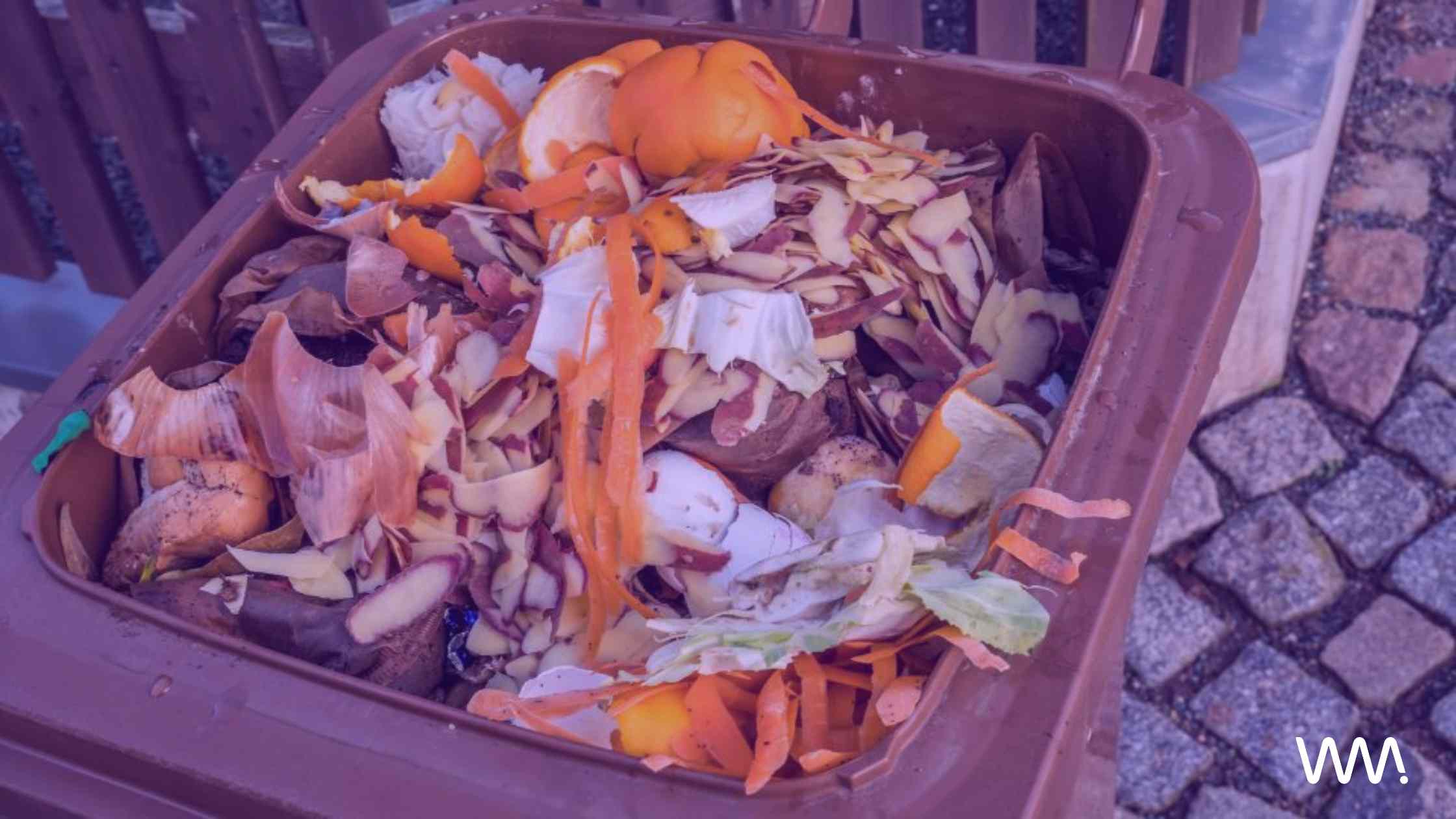
A food waste bin is a container designed exclusively to store organic food waste for disposal.
These bins are intended to fully separate biodegradable food waste from general waste and mixed recycling. Food waste bins vary depending on the local authority, waste management provider or specific business requirements, however, they are usually 240L bins for health and safety and weight reasons.
Food waste bins are commonly used by:
- Restaurants
- Cafés
- Hotels
- Catering businesses
- Schools and universities
- Food manufacturers
- Healthcare facilities
- Office workplaces with staff kitchens
Organisations that use a dedicated food waste bin play a significant part in ensuring that organic materials can be processed correctly through composting or anaerobic digestion facilities.
What Can Go in a Food Waste Bin?
Most food waste collection services accept a wide range of different food materials.
Food Waste Bin Accepted Items
| Food Waste Accepted | Examples |
| Fruit and vegetables | Peelings, scraps and spoiled produce |
| Meat and poultry | Raw and cooked meat |
| Fish and seafood | Fish skin, bones and shellfish |
| Dairy products | Cheese, yoghurt and butter |
| Bread and baked goods | Bread, cakes and pastries |
| Leftovers | Cooked meals and plate waste |
| Coffee grounds | Including filters where accepted |
| Tea bags | Where accepted by your provider |
| Eggshells | Whole or crushed |
What Cannot Usually Go in a Food Waste Bin?
Items commonly excluded include:
- Plastic packaging
- Glass bottles and jars
- Metal cans
- Liquid oils in large quantities
- Cling film
- General rubbish
- Cleaning products
- Non-compostable packaging
Any item or waste type that is not classed as organic food waste will almost certainly not be accepted. Always check with your local council or waste provider, as acceptance can vary.
How to Identify the Correct Bin for Food Waste
When disposing of food waste, always place it in a dedicated food waste bin, typically coloured brown or green depending on the collection system and local authority.
Quick Bin Identification Guide:
| Bin Type | Typical Colour | Suitable Waste |
| Food Waste Bin | Brown or Green | Food waste and organic materials |
| General Waste Bin | Black or Grey | Non-recyclable waste |
| Recycling Bin | Blue | Paper, cardboard, plastics and cans |
| Glass Recycling Bin | Green or Purple | Glass bottles and jars |
If separate food waste collections are not available at your premises, speak with your waste management provider about implementing a food waste solution.
How to Use a Food Waste Bin Correctly
Businesses and households must know how to use a food waste bin, as this can improve recycling rates and prevent contamination of other waste types.
Best Practices for Food Waste Disposal:
- Collect food waste separately from general waste.
- Use clearly labelled food waste containers.
- Train staff on acceptable materials.
- Empty internal food caddies regularly.
- Keep lids closed to minimise odours.
- Schedule collections based on waste volumes.
- Monitor contamination levels and provide refresher training.
What Happens to Food Waste After Collection?
After collection, food waste is usually taken to a specialist processing facility. It is then converted into valuable organic resources, depending on the treatment method used.
Food Waste Processing Methods
Anaerobic Digestion: Microorganisms break down food waste in oxygen-free tanks.
This process produces:
- Renewable biogas energy
- Electricity generation
- Heat production
- Nutrient-rich fertiliser
Composting: Some food waste is processed into compost, which can improve soil quality and support agriculture.
When disposed of and recycled properly, food waste can contribute significantly to energy production and resource recovery, rather than adding to landfill waste.
How to Reduce Food Waste in Your Business
Understanding how to reduce food waste is just as important for businesses as disposing of it correctly. Reducing food waste at source often delivers better environmental and financial benefits.
Practical Ways to Reduce Food Waste:
Conduct Regular Waste Audits: Identify which food items are most commonly discarded and why.
Improve Stock Management: Use stock rotation systems such as FIFO (First In, First Out) to minimise spoilage.
Track Portion Sizes: Review serving sizes to reduce plate waste.
Train Employees: Staff awareness plays a vital role in reducing food waste across day-to-day operations.
Forecast Demand More Accurately: Better ordering and purchasing decisions can significantly reduce excess food.
Donate Surplus Food: Where safe and appropriate, donate usable surplus food to charities or community organisations.
Implementing Food Waste Bins in Your Business
If your business regularly produces significant quantities of food waste, introducing dedicated bins can deliver immediate benefits.
- Conduct a Waste Audit: Assess the types and amounts of waste your business generates to identify opportunities for waste reduction and proper bin placement.
- Train Staff: Educate employees about the importance of food waste segregation and how to use the bins correctly.
- Label Bins Clearly: Use clear signage and colour coding to help staff easily identify which bin to use.
- Monitor and Adjust: Regularly review waste management practices and adjust bin placement or training as needed to improve compliance and efficiency.
Successful implementation of food waste management depends on making segregation easy, visible and consistent across the workplace.
Benefits of Proper Food Waste Bin Usage
Using food waste bins correctly provides several advantages for businesses, including:
Environmental Benefits
- Reduced landfill disposal
- Lower greenhouse gas emissions
- Increased recycling rates
- Support for renewable energy generation
Operational Benefits
- Cleaner working environments
- Reduced odours
- Lower pest activity
- Improved waste management efficiency
Business Benefits
- Potential cost savings
- Stronger sustainability credentials
- Improved customer perception
- Support for ESG reporting and targets
Conclusion
Knowing what goes in the food waste bin is a crucial part of effective organisational food waste management. Food waste should always be disposed of and stored in a dedicated food waste bin to ensure it is collected and recycled through processes such as anaerobic digestion or composting rather than being sent to landfill.
By understanding what can go in a food waste bin, implementing clear waste segregation practices and taking steps to reduce food waste at source, businesses can lower disposal costs, improve recycling rates, support sustainability goals and reduce their environmental impact. Even small improvements in how food waste is managed can contribute to a cleaner, more efficient and more responsible waste management strategy.