
If you need to dispose of petrol, it should never be poured down a drain, onto the ground or into a household waste bin. The safest way to dispose of petrol, whether old or new, is to store it in an approved fuel container and take it to a household waste recycling centre (HWRC). Alternatively, it could also be disposed of at a hazardous waste facility that accepts fuel. Petrol is a highly flammable liquid and can contaminate soil, water, and drainage systems if handled or disposed of incorrectly.
Petrol is one of the most commonly used fuels in the UK, with a wide variety of uses, from powering cars and motorbikes to lawnmowers, generators, and construction equipment. Despite its popularity, it has a limited shelf life and can deteriorate over time, which means it must be disposed of safely if left unused.
In this guide, we will explain how to dispose of petrol safely in the UK, including the safest way of transporting petrol to the correct facilities.
How to Dispose of Petrol Safely
The safest way for anyone to dispose of petrol is to take it securely to an authorised household waste recycling centre or a hazardous waste facility that accepts fuel.
Step-by-Step Guide to Disposing of Petrol
| Step | What to Do | Why It Matters |
| 1 | Store petrol in an approved fuel container | Prevents leaks and fire risks |
| 2 | Check whether your local HWRC or hazardous waste facility accepts petrol | Not all sites accept liquid fuels |
| 3 | Transport the fuel securely | Reduces the risk of spills |
| 4 | Follow site instructions for disposal | Ensures compliant handling |
Important Safety Rules for Disposing of Petrol
- Do not, under any circumstances, pour petrol down a sink, drain, or toilet.
- Never pour petrol onto soil, grass, or the ground.
- Do not burn petrol yourself.
- Never mix petrol with other substances or liquids including paint, oil, or other liquid chemicals.
- Keep petrol away from heat sources and naked flames during transport.
How to Dispose of Old Petrol
Over time, old petrol can become unusable if it has been stored for long periods. As petrol ages, it loses energy, meaning it can no longer be used in engines.
Here are some signs that petrol may be too old to use:
- A strong varnish-like smell
- A darker colour than fresh petrol
- Difficulty starting equipment
- Poor engine performance
- Fuel that has been stored for an extended period
Where Can You Dispose of Petrol in the UK?
If you want to dispose of petrol, the first place to check should be your local council’s household waste recycling centre. The majority of councils across the UK provide facilities for hazardous household waste; however, it is recommended to check with the specific site to confirm they accept petrol before travelling.
Common options for petrol disposal include:
- Household Waste Recycling Centres (HWRCs)
- Hazardous waste collection events
- Licensed hazardous waste contractors
Can I Mix Petrol with Other Substances?
It is not safe, legal or environmentally friendly to combine petrol with other substances either when storing it or when getting rid of it since petrol is a highly flammable liquid; mixing it with other materials could lead to hazardous chemical reactions which might raise the chance of fires and explosions, result in the release of toxic fumes or cause environmental contamination. Additionally, mixing petrol with other types of waste can also influence the compatibility of the resulting waste.
What Containers Can Be Used to Transport Petrol for Disposal?
When transporting petrol, it is important to use approved containers specifically designed for fuel storage and transportation. Here are guidelines for selecting containers and materials for transporting petrol:
Approved Containers: Use containers specifically designed and approved for transporting petrol. These containers are typically made of metal or high-density polyethene (HDPE). They are designed to withstand petrol’s chemical properties and reduce the risk of leaks, spills, or breakage during transportation.
Metal Containers: Metal containers, such as steel or aluminium cans, are commonly used for transporting petrol. They provide durability, corrosion resistance, and protection against external damage. Metal containers also reduce the risk of static electricity buildup, which can be hazardous when handling flammable liquids like petrol.
High-Density Polyethene (HDPE) Containers: HDPE containers are durable, chemically resistant, and lightweight. They are suitable for transporting petrol and other hazardous materials. HDPE containers are widely used for safely storing and transporting various chemicals, including petrol.
Secure Lids and Closures: Ensure the containers have secure, tight-fitting lids or closures to prevent leaks or spills during transportation. Properly sealed containers will help maintain the integrity of the petrol and reduce the risk of accidents.
Compliance with Regulations: Make sure the containers and materials you choose comply with local and national regulations for transporting hazardous materials, including petrol. Compliance helps ensure that you are using appropriate, safe, and legally acceptable containers for transportation.
| Container Type | Suitable for Petrol? | Notes |
| Steel fuel can | Yes | Durable and widely used |
| Aluminium fuel can | Yes | Corrosion resistant |
| Approved HDPE fuel container | Yes | Lightweight and chemical resistant |
| Water bottle | No | Unsafe and non-compliant |
| Food container | No | Risk of contamination and leakage |
Always follow local legislation and regulations on the transportation of hazardous materials, including petrol, to ensure you use the correct containers and materials for safe transport.
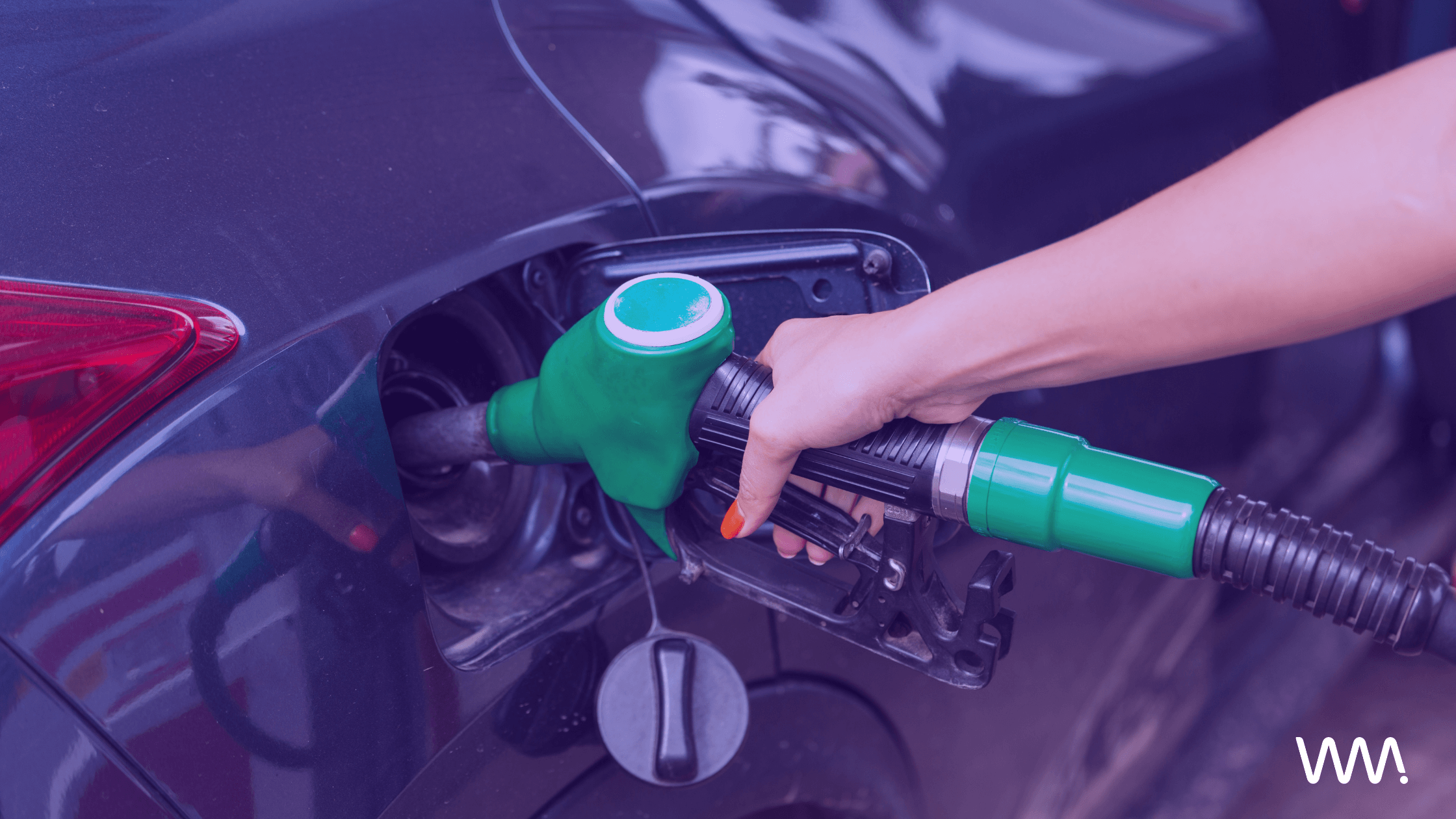
Key Requirements for Transporting Petrol
Approved Containers: Use containers specifically manufactured for this purpose. They are designed to minimise the risk and withstand fuel exposure.
Secure Closures: All containers storing petrol or any fuel should be equipped with tight-fitting lids and seals to prevent spills or leaks during transportation.
Correct Labelling: Label all containers storing petrol so that the contents can be identified immediately.
Safe Transportation: Ensure that petrol-containing containers are kept upright and secure to prevent fuel leaks.
What Happens to Petrol After Disposal?
Once collected safely, there are several different ways petrol can be disposed of depending on its condition, contamination levels, and the capabilities of the facility:
Recovery and Energy Generation: Waste fuel can be recovered and repurposed through specialised fuel recovery operations.
Hazardous Waste Treatment: Contaminated petrol that cannot be recovered may undergo specialist treatment to limit environmental impacts upon disposal.
Incineration: Some hazardous waste facilities use controlled high-temperature incineration processes to dispose of petrol. These facilities will operate under strict environmental permits and emissions controls.
Recycling and Resource Recovery: Elements of the petrol may be recovered and processed within specialist recycling operations.
Why Proper Disposal Matters
Disposing of petrol and other types of fuel in the wrong way can result in:
- Soil contamination
- Groundwater pollution
- Harm to wildlife
- Drainage system damage
- Fire and explosion risks
Even relatively small fuel spills can create significant environmental issues.
Why You Should Never Pour Petrol Down a Drain
Pouring petrol or allowing it to leak into a drainage system can lead to serious environmental and safety problems, increasing the risk of fire in sewer systems, interfering with water treatment, and contaminating rivers, streams, and other watercourses. Since wastewater treatment plants are not designed to treat petroleum products effectively, petrol must never be allowed into these systems due to the environmental, structural, and health issues it can cause.
Petrol Disposal Facts and UK Statistics
The UK’s fuel landscape has changed significantly over the last few decades.
The amount of fuel consumed by the UK population has changed significantly over the last few decades, with overall consumption declining. According to the Department for Transport and UK Government fuel consumption data, petrol consumption has declined since the 1990s as vehicle efficiency has improved, due to the increasing popularity of hybrid and electric vehicles, which has reduced reliance on petrol.
Other key trends include:
- Millions of litres of petrol are consumed annually across the UK.
- Petrol is routinely used in cars, motorcycles, generators, landscaping equipment, and construction machinery.
- Alternative fuel vehicles continue to increase their share of new vehicle registrations.
- Environmental concerns continue to increase demand for responsible fuel management and disposal practices.
Conclusion
It is essential for both individuals and the environment that petrol be disposed of in a safe and proper manner. Whether the petrol in question is old petrol from a lawnmower or a generator or petrol from a stored container, it must never be poured down a drain, onto the ground or into a standard general waste bin. The petrol to be disposed of should be stored in an approved, secure container and then taken to a household waste recycling centre or an authorised hazardous waste facility that accepts fuel. Following the proper disposal procedure will help reduce the risk of fire, prevent pollution, and ensure that petrol is handled responsibly in accordance with UK environmental advice.