Dental waste is one of the most complex waste streams here in the UK. From the toothpaste tubes and floss picks we use in our bathrooms at home to the sharps and other hazardous materials produced by high street dental practices; millions of products are disposed of every year.
For dental practices, managing waste isn’t just an environmental consideration, but a legal one. Strict controls are in place to ensure that clinical waste is handled safely and disposed of properly, ensuring no harm to human or environmental health.
Beyond the surgery, consumer habits and businesses selling oral products play a considerable role. While many members of the public want to dispose of oral hygiene products correctly and sustainably, many do not know how to do so. With dental practitioners advising the public to brush twice a day, floss daily and use mouthwash, individually, we are creating a consistent stream of plastic pollution, which accumulates over a lifetime.
In creating this resource, we are bringing together the latest facts and figures on dental waste, as we wish to bring awareness to this issue across both domestic and professional settings. By highlighting the scale of this issue, we aim to help both businesses and the public better understand their waste habits and make more informed decisions to reduce the environmental impact.
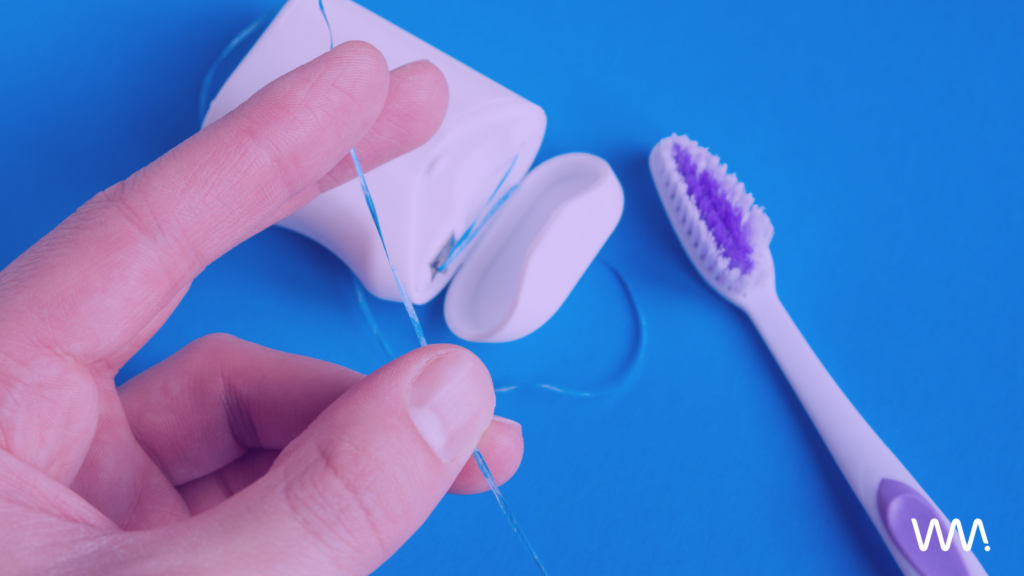
Waste generated by dental surgeries – facts and statistics
- Globally, the healthcare sector emits between 4.4% and 5.2% of the world’s greenhouse gas emissions. By comparison, the aviation industry is estimated to contribute between 2% – 5% of all greenhouse gas emissions. [i]
- In England, NHS providers produce approximately 156,000 tonnes of clinical waste every year, with dentistry waste playing a part in this. This is the equivalent to over 400 loaded jumbo jets of waste. [ii]
- The NHS clinical waste strategy (2023) aims to reduce carbon emissions to net zero by 2040 by transforming waste management, focusing on proper segregation, sustainability, and efficiency. For dental practices, this means implementing a 20-20-60 waste split (20% incineration, 20% infectious, 60% offensive) and strictly separating chemical, gypsum, and hazardous waste to enhance recycling. [iii]
- Studies show that a single dental procedure in the UK can produce over 20 pieces of plastic waste, totalling roughly 350g per patient. [iv]
- Two billion single-use plastic items are used every year in dentistry. [v]
- Missed dental appointments can result in single-use items being opened or prepared for treatment and then discarded unused. A 2026 study reported that, over a three-month audit period, 116 single-use items were wasted due to missed appointments in a dental department.[vi]
- N2O (Nitrous oxide) sedation is a clinically successful form of conscious sedation in the UK, but it does cause quantifiable environmental harm. [vii]
- When Nitrous oxide is administered to patients during dental appointments, the average carbon footprint per appointment is 28.62kg CO2e. [viii]
- Silver amalgam is the most common material for NHS permanent fillings in the UK. Fillings represent around a quarter of all courses of NHS treatment delivered in England, with amalgam used in around a third of procedures. [ix]
- Dental amalgam is a restorative material which has been used all over the world for the last 175 years due to its longevity and cost-effectiveness. It is composed of a combination of metals, including elemental mercury (~50%), and a powdered alloy composed of silver, tin and copper. [x]
- Estimates suggest that 30% – 40% of mercury in amalgam enters solid waste streams, and accumulates in water, soil and the atmosphere without breaking down. [xi]
- Back in January 2024, the European Parliament voted to ban dental amalgam. The total phase-out of the filling material took place in the EU from 1st January 2025. This ban has come into effect five years earlier than anticipated and aims to protect both human health and the environment from the harmful effects of mercury. [xii]
- Due to the high mercury content of dental amalgam, it is considered a hazardous waste. As a result, it’s use comes with firm regulations when it comes to disposal. Article 10 of the European Union Regulation 2017/852 states that Dental practices must be equipped with an amalgam separator. All separators must retain at least 95% of amalgam particles. [xiii]

Dental waste generated by the public – facts and statistics
- Approximately 252 million toothpaste tubes are sold annually in the UK, generating an estimated 18,900 tonnes of material, which is comparable to the weight of around 95 Angel of the North sculptures.[xiv]
- Every year, 1.5 billion toothpaste tubes are thrown away globally. [xv]
- Historically, toothpaste tubes have been the UK’s top ‘wish-cycled’ item, the practice of disposing of non-recyclable items in recycling bins in the hope they can be recycled. [xvi]
- As of September 2025, all toothpaste tubes sold across the UK are made of recyclable polyethylene, so are 100% recyclable. However, always be sure to check local guidance as not all local authorities can recycle toothpaste tubes currently. [xvii]
- The average person will throw out over 300 toothbrushes in their life time. [xviii]
- A single plastic toothbrush can roughly take up to 500 years to decompose and even then; it only breaks down into microplastics. [xix]
- Almost all dental floss is made from plastic, typically nylon or polyester. [xx]
- The mixed materials typically used in dental floss makes recycling difficult, and the materials can take 80 years to break down in landfill. [xxi]
If your dental practice is dealing with rising waste volumes and unclear processes, we’re here to help. From clinical waste to recyclables our tailored solutions are designed specifically for you.
Reach out today for a no-obligation quote and see how much you could save by improving your waste management.
Sources
- [i]https://magazine.hms.harvard.edu/articles/confronting-health-cares-carbon-footprint
- [ii] https://www.england.nhs.uk/estates/nhs-clinical-waste-strategy/
- [iii] https://www.england.nhs.uk/estates/nhs-clinical-waste-strategy/
- [iv] https://www.sciencedirect.com/science/article/pii/S0300571222000057
- [v] https://www.nature.com/articles/s41404-025-3378-x
- [vi] https://publishing.rcseng.ac.uk/doi/full/10.1308/rcsfdj.2026.19
- [vii] https://www.nature.com/articles/s41415-025-9201-6#
- [viii][viii] https://www.nature.com/articles/s41415-025-9201-6#
- [ix] https://www.bda.org/media-centre/government-failure-on-amalgam-ban-could-break-nhs-dentistry/
- [x] https://www.unep.org/globalmercurypartnership/our-work/mercury-products/phasing-down-the-use-of-dental-amalgam
- [xi] https://www.unep.org/globalmercurypartnership/our-work/mercury-products/phasing-down-the-use-of-dental-amalgam
- [xii] https://dentistry.co.uk/2024/11/08/dental-amalgam-everything-you-need-to-know-about-its-use-and-ban/
- [xiii] https://dentistry.co.uk/2024/11/08/dental-amalgam-everything-you-need-to-know-about-its-use-and-ban/
- [xiv] https://www.wrap.ngo/media-centre/press-releases/no-more-landfillings-all-toothpaste-tubes-now-recyclable-recycle-week
- [xv] https://www.colgate.com/en-in/mission/environmental-impact/habits
- [xvi] https://participatenow.cheshirewestandchester.gov.uk/climate-emergency/stories/turning-the-tide-on-toothpaste-tube-waste
- [xvii] https://dentistry.co.uk/2025/09/22/toothpaste-tubes-now-recyclable-across-the-uk/
- [xviii] https://www.expertreviews.co.uk/beauty-wellness/dental-care/how-many-toothbrushes-end-up-in-landfill
- [xix] https://crescentnest.com/blogs/articles/environmental-impact-of-plastic-toothbrushes
- [xx] https://www.consumerreports.org/toxic-chemicals-substances/dental-floss-without-pfas-and-other-harmful-chemicals-a9722832754/
- [xxi] https://www.colgate.com/en-us/oral-health/brushing-and-flossing/is-dental-floss-eco-friendly

Lyndsay Close – Head of Marketing
Lyndsay joined Waste Managed in April 2025 and brings with her a wealth of marketing knowledge. With degrees in Advertising, Marketing, and Digital Marketing, and being an Associate Member of CIM, Lyndsay is passionate about sustainability, storytelling, and delivering customer excellence.