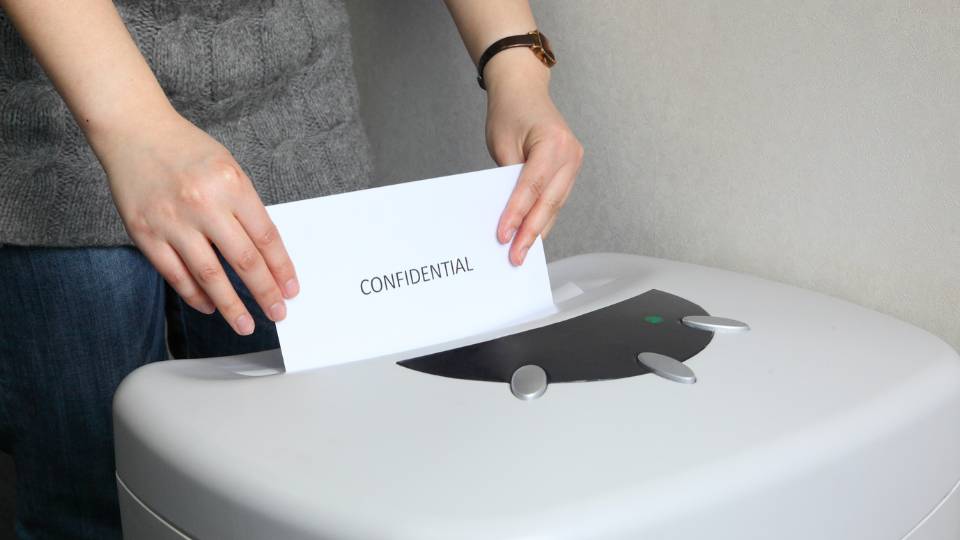
Office paper waste can range from printed documents, cardboard, envelopes, newspapers, packaging materials, and confidential paperwork that is no longer needed. Businesses that generate office paper waste can reduce it in several ways, including digitising processes, improving printing practices, reusing materials, introducing recycling systems, and improving employee awareness. Effective office waste management matters for businesses because it can lower costs, improve sustainability, reduce environmental impact, and support compliance with current UK waste regulations.
In this guide, we’ll explain what office paper waste is, why reducing paper waste matters, how businesses can minimise waste generation, and the best ways to recycle, store and dispose of office paper waste responsibly.

What Is Office Paper Waste?
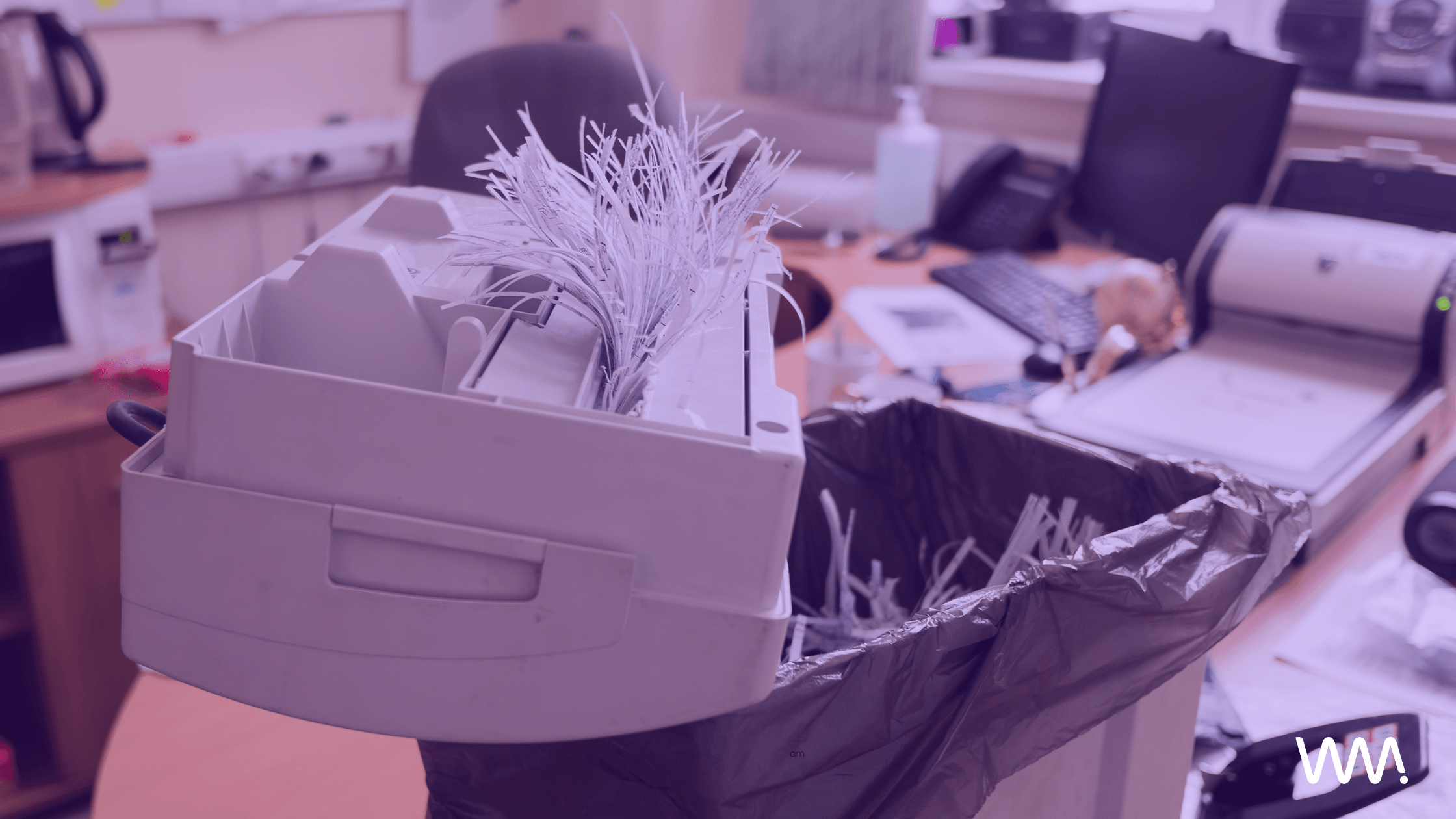
Office paper waste refers to paper-based materials that are produced in an office environment that are no longer needed and should be disposed of. This can include everyday office materials such as printed documents, envelopes, notepads, newspapers, magazines, cardboard packaging, shredded paper and confidential paperwork. Organisations should always separate paper waste from general waste to maximise recycling opportunities and reduce what goes to landfill.
How UK Businesses Can Reduce Office Waste and Improve Sustainability
To lower costs, improve operational efficiency, and strengthen environmental credentials, businesses in office spaces are increasingly prioritising reducing paper waste. Businesses and organisations of all kinds produce a variety of waste streams however office paper waste is generally the easiest to reduce and manage.
Despite significant advances in technology, some businesses and office spaces still rely heavily on and produce paper-based documents, including reports, contracts, and internal paperwork, despite the availability of digital alternatives. Businesses that identify unnecessary paper use are better positioned to implement simple waste-reduction measures that can significantly decrease waste generation while improving recycling rates.
Effectively managing paper waste in an office involves more than disposing of unwanted materials. It also includes reducing waste at the point of production, encouraging reuse, increasing recycling, and ensuring waste streams such as confidential paper waste are handled correctly. Another useful method to reduce office paper waste is to offer digital alternatives to physical paper copies of documents and materials, where possible.
Common Examples of Office Paper Waste
| Recyclable Paper Waste | May Require Special Handling |
| Printer paper | Confidential documents |
| Envelopes | Shredded confidential waste |
| Newspapers | Paper contaminated by food |
| Magazines | Bound documents |
| Cardboard packaging | Sensitive HR records |
| Flyers and brochures | Financial records |
For organisations that handle sensitive information, such as confidential paperwork, dispose of it in a secure confidential waste service rather than in standard recycling bins.
Why Reducing Office Paper Waste Matters
Businesses benefit from reducing office paper waste environmentally, operationally, and financially. Many businesses and organisations lose track of how much paper they produce, so it helps to cut down where possible. Even small reductions in printing and paper purchasing can generate noticeable savings while supporting sustainability targets.
Environmental Benefits
The UK uses millions of tonnes of paper every year, which requires significant amounts of water, energy and raw materials to produce.
Reducing paper waste helps businesses:
- Reduce demand for virgin paper production
- Lower carbon emissions
- Reduce pressure on natural resources
- Support circular economy initiatives
- Improve workplace sustainability
Cost Savings
Paper-related costs often extend beyond the paper itself.
Businesses frequently incur expenses relating to:
- Paper purchasing
- Printer maintenance
- Toner and ink
- Secure document storage
- Waste collection services
Reducing paper consumption can significantly reduce these operational costs.
Improved Efficiency
In addition to cutting paper waste and improving recycling rates, digital alternatives to paper materials allow businesses to access, store, and share information more efficiently. Teams can collaborate faster, retrieve documents instantly and reduce the risk of lost paperwork.
Read more about why recycling is important in the workplace.

How to Reduce Paper Waste in the Office
To reduce paper waste in the office, businesses should start by preventing unnecessary paper use. Here are five ways that businesses can implement this immediately:
Go Digital Wherever Possible
Switching to digital alternatives to paper and moving documents and processes online is one of the fastest ways to reduce office paper waste.
This can include:
- Digital signatures using DocuSign or Adobe Sign
- Cloud-based document management systems
- Digital invoicing and billing
- Electronic employee records
- Online reporting and approvals
Digitising everyday processes reduces printing requirements while improving workflow efficiency.
Of course, many businesses and organisations will still require some printed documentation, but printing can often be reduced significantly. For example:
- Default printers to double-sided printing
- Use print preview before printing
- Reduce page margins where appropriate
- Print only essential documents
- Encourage digital review instead of printed drafts
- Introduce print-release systems
These small changes can reduce office paper consumption considerably over time.
Reuse and Recycle Office Paper Waste
Not all paper waste needs immediate disposal.
Single-sided paper can often be reused for the following:
- Internal notes
- Draft documents
- Temporary records
- Training exercises
When paper can no longer be reused, recycle it correctly through dedicated paper-focused recycling streams.
Office Paper Recycling Checklist
| Action | Benefit |
| Provide paper recycling bins | Improves recycling participation |
| Separate confidential waste | Improves security and compliance |
| Remove contamination | Maintains recycling quality |
| Label waste stations clearly | Reduces disposal errors |
| Schedule regular collections | Prevents overflow |
Educate and Encourage Employees
Successful office waste management relies on employee engagement across any business or office space. Guiding paper reduction can help staff understand the environmental and financial impact of unnecessary printing.
Businesses may benefit from:
- Sustainability workshops
- Waste reduction campaigns
- Team recycling initiatives
- Printing reduction targets
- Employee reward programmes
Creating a culture of sustainability can drive long-term improvements in waste management performance.
Monitor and Track Office Paper Waste
You cannot improve what you do not measure. Tracking paper consumption helps businesses identify inefficiencies and opportunities for improvement.
Consider the following approaches:
- Conducting regular paper audits
- Monitoring printer usage
- Reviewing purchasing patterns
- Measuring recycling volumes
- Setting annual reduction targets
An audit-led approach helps businesses make informed decisions and achieve measurable reductions in office waste generation.
Office Waste Management Best Practices
Reducing paper waste should form part of a wider office waste management strategy. Effective office waste management typically includes the following:
- Paper recycling
- Mixed recycling collections
- General waste management
- Food waste recycling
- WEEE disposal
- Sustainability reporting
Businesses that manage all waste streams together often achieve better recycling rates and lower disposal costs.
Managing Confidential Paper Waste
Not all office paper waste can be recycled using standard collections. Documents containing personal, financial, legal or commercial information should be securely destroyed before disposal.
Examples of confidential waste include:
- Employee records
- Contracts
- Payroll information
- Customer data
- Financial reports
- Medical records
Using a professional confidential waste collection service helps businesses maintain data security while ensuring paper is recycled appropriately after destruction.
For further guidance, visit our confidential waste page.
Interesting Facts and Statistics About Office Paper Waste
Office paper waste remains a significant issue across workplaces worldwide.
Key Facts:
- Office Paper Usage: The average office worker uses 10,000 sheets of paper annually.
- Recycling Impact: Recycling one tonne of paper saves 17 trees and 7,000 gallons of water.
- Cost of Paper Waste: UK businesses waste an estimated £120 million on unnecessary printing each year.
Read more facts and stats on paper consumption in the UK.
Conclusion
For businesses and organisations that want to improve their sustainability, reducing office paper waste is one of the simplest and most effective ways to cut waste, lower operational costs, and strengthen overall office waste management. Many offices still rely on paper-based materials for their day-to-day operations; however, even small changes can significantly reduce paper consumption and increase recycling rates.
By combining smarter printing habits, digital alternatives to paper-based documents, and effective recycling procedures, organisations can significantly reduce paper waste while improving efficiency and cutting costs.