
Clinical waste should always be segregated when being disposed of by using colour-coded clinical waste bag and bins. The different coloured waste bags and bins allow you to separate infectious, offensive, pharmaceutical, sharps and cytotoxic waste which can reduce cross-contamination, improve safety, and ensure you remains compliant with waste management regulations in the UK. For healthcare providers, by having the correct clinical waste segregation in place, they are able choose the most appropriate treatment and disposal method for each waste stream.
NHS England reported that healthcare facilities generate a massive 156,000 tonnes of clinical waste every year. While current disposal methods high-temperature incineration and alternative treatment (HTI & AT) handle this volume, they are costly and can impact the environment. Segregating clinical waste involves separating different waste streams which not only can help to reduce cross-contamination, but it is a legal requirement that helps to protect staff and patients and create more efficient methods of disposing waste.
By properly sorting waste, healthcare facilities can:
- Reduce reliance on expensive, high-emission incineration.
- Explore greener disposal options for non-hazardous materials.
The aim of this guide is to equip you with the knowledge to implement effective clinical waste segregation, whilst also promoting a safer and more sustainable healthcare environment for staff, patients, and visitors alike.
Speak to one of our experts today and get a free quote for your clinical waste.
What Is Clinical Waste?
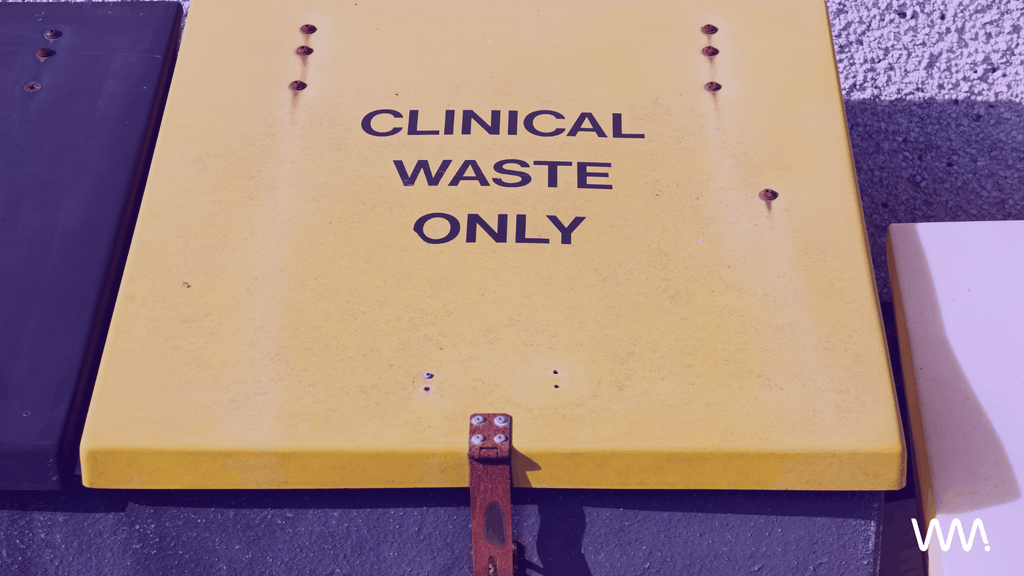
Clinical waste can be defined as any waste which pose a risk to human health due to it containing (or may have been contaminated by) infectious materials, medicines, bodily fluids, or other potentially hazardous substances.
In a healthcare environment, clinical waste can include:
- Used dressings and swabs
- Personal protective equipment (PPE)
- Sharps such as needles and scalpels
- Human tissue and anatomical waste
- Laboratory samples
- Materials contaminated with blood or bodily fluids
For healthcare facilities and organisations understanding what is classed as clinical waste can be confusing and it can have a major impact on their ability to properly manage clinical waste and more importantly how to dispose of it. By not being able to establish what clinical waste actually is, healthcare environments run a serious risk of increased disposal costs and creating unnecessary risks for staff, patients, and waste handlers.
Check Out Our Clinical Waste ServicesWhy Does Clinical Waste Need to be Segregated?
Clinical waste segregation is not just about practice but also about providing a safe and sustainable living and workplace environment. Improperly mixed waste can pose a risk of cross-contamination, potentially exposing staff and patients to harmful pathogens.
It is also important to remember than when hazardous and non-hazardous waste are combined, it can limit opportunities for more environmentally friendly disposal methods for non-hazardous waste specifically. Thorough clinical waste segregation allows for proper treatment and disposal of each waste type, reducing environmental impact and potentially reducing overall waste management costs.
Healthcare Waste Regulations and Documentation
Clinical waste segregation is not only best practice for healthcare facilities, but it is also a legal requirement. Across England, all healthcare organisations are legally required to adhere to Health Technical Memorandum (HTM) 07-01, which is the official guidance from NHS England on the safe management of healthcare waste. This guidance covers important requirements regarding different types of waste including segregation, storage, transport, and disposal, whilst also promoting safer and more environmentally responsible waste management practices.
When clinical waste is collected, healthcare facilities are required to complete the correct, legal documentation. General waste movements are typically covered by a Waste Transfer Note, which creates an audit trail showing when responsibility for waste passes from one party to another. However, hazardous clinical waste requires a Hazardous Waste Consignment Note, which tracks the waste throughout its journey and must be retained for at least three years to demonstrate compliance with UK waste regulations.
What are the Benefits of Effective Clinical Waste Segregation?
Proper clinical waste separation helps healthcare and other organisations to do the following:
- Meet legal duties and compliance requirements
- Protect healthcare workers and patients
- Reduce the risk of infection transmission
- Lower disposal and treatment costs
- Improve environmental performance
- Ensure clinical waste disposal follows the correct treatment route
How to Segregate Clinical Waste
Clinical waste should always be separated as soon as it is produced. Whoever is handling the clinical waste should immediately place it into the correctly colour-coded clinical waste bin or bag rather than sorting it later.
Identify the Waste Type
Determine whether the item is:
- Infectious waste
- Cytotoxic or cytostatic waste
Use the Correct Colour-Coded Container
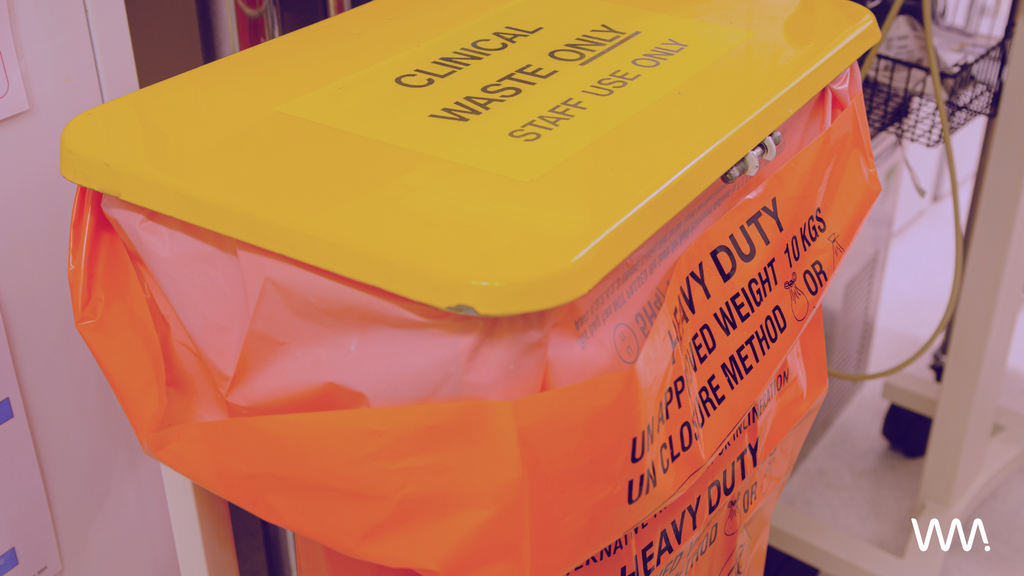
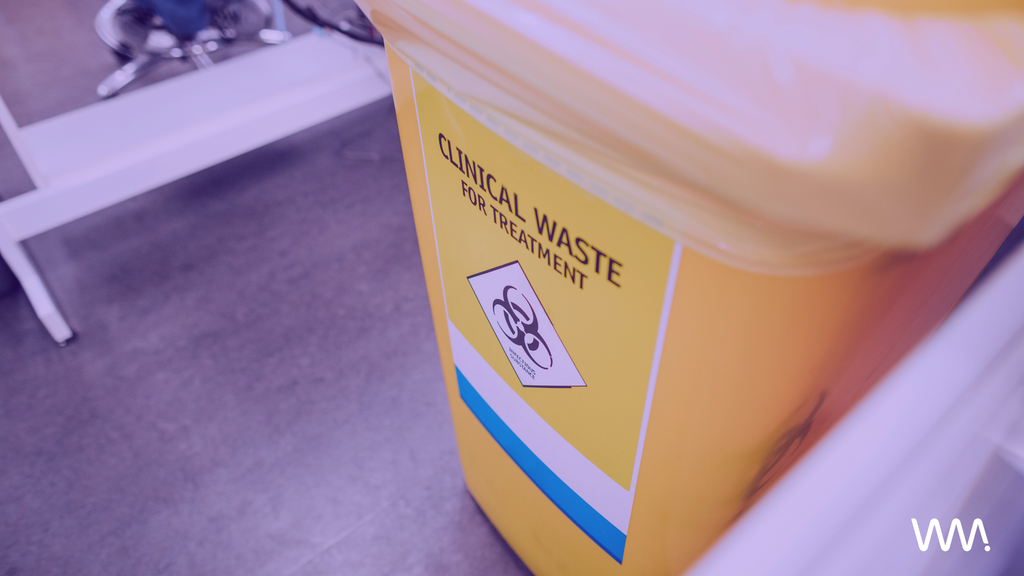
In the UK, the healthcare sector uses colour-coded waste streams to support safe disposal of clinical waste. Selecting the correctly colour-coded waste bag or bin ensures that waste receives the appropriate treatment and reduces the risk of contamination with other waste types.
| Waste Type | Colour | Typical Examples |
| Infectious waste | Red | Items contaminated with bodily fluids or pathogens, including dressings and swabs |
| Sharps waste | Yellow | Needles, syringes, and scalpels stored in puncture-resistant containers |
| Non-hazardous clinical waste | Yellow or Orange | Used bandages and soiled linen that are not contaminated with bodily fluids |
| Cytotoxic waste | Purple | Waste contaminated with chemotherapy drugs |
| Pharmaceutical waste | Green | Expired, unused or partially used medicines |
| General waste | Black | Paper towels and other non-clinical materials |
In accordance with Simpler Recycling, glass waste and dry mixed recycling are classed as key waste streams that must also be separated.
Store Waste Safely
Clinical waste should be securely stored in clearly labelled containers and collected before they become overfilled.
Arrange Collection by a Licensed Provider
Once clinical waste has been collected, it should be collected and transported by an authorised waste management company for treatment and where it can be disposed of properly.
What Is Classed as Clinical Waste?
Not all healthcare-related waste is clinical waste. Clinical waste mainly includes materials that may pose a risk of infection, injury, or contamination. This includes:
- Used dressings and swabs
- Blood-contaminated materials
- Sharps such as needles and scalpels
- Laboratory samples
- Human tissue
- Certain pharmaceutical waste
- PPE contaminated with bodily fluids
Wrappers, tissues, polystyrene, and other everyday waste items are usually classified as general waste or a different type of waste and should not be placed in clinical waste bins unnecessarily. Healthcare settings will also need other waste streams, such as confidential waste in order to effectively separate waste.
Segregating Effectively
Clear procedures, readily available bins, and staff education can help massively with effective segregation of clinical waste. Healthcare facilities should establish a colour-coded bin/bag system aligned with national or regional regulations.
Common categories & assigned colours include:
Red
Infectious Waste – Used for items contaminated with bodily fluids or pathogens (used dressings, swabs).
Yellow
Sharps Waste – Designated for needles, syringes, scalpels (always in puncture-resistant containers).
Yellow or Orange
Non-Hazardous Clinical Waste – Suitable for used bandages, soiled linen (not contaminated with bodily fluids).
Purple
Cytotoxic Waste – Specifically for items contaminated with chemotherapy drugs.
Green
Pharmaceutical Waste – Used for expired or unused medications.
Black
General Waste – For non-clinical items and anything that cannot be recycled.
Clinical Waste Management Best Practices
Effective clinical waste management involves more than simply providing bins and waste bags.
Train Staff Regularly
All staff in an environment that produces clinical waste should understand waste classifications and disposal procedures, including segregation and/or separation.
Label Containers Clearly
Labels on waste containers should be easy to read and visible from a distance.
Conduct Routine Audits
Periodic reviews can identify common segregation mistakes and opportunities for improvement.
Keep Procedures Up to Date
Waste regulations, guidance, and best practices evolve, change, and adapt over time, so all organisations that manage should review internal procedures regularly to remain aligned with national/regional requirements.
Strategic Placement
Clinical waste bins should be strategically placed near areas where waste is generated such as treatment rooms and dressing stations and be clearly labelled with pictures and descriptions.
Staff Awareness
Utilise posters or other visual aids to reinforce proper waste disposal practices for staff, patients, and authorised waste handlers. Educate staff, including new hires, on waste categories and proper disposal procedures through training programmes. This can involve regularly refreshing their knowledge in the form of training to ensure consistent and effective segregation throughout the facility. By adopting an up-to-date and ongoing approach to clinical waste, healthcare facilities can ensure a safe working and living environment for staff, patients and residents while reducing their environmental footprint.
Why Is This Important?
Effective clinical waste segregation is vitally important for healthcare facilities and all other environments across multiple businesses that manage clinical waste. One of the main reasons why this is so important is that it helps to create a safer workplace for staff by reducing the risk of cross-contamination. Additionally, it enforces more sustainable and potentially cost-effective waste management practices.
Conclusion
Clinical waste segregation is a fundamental part of safe healthcare operations. By correctly identifying waste streams, using appropriate clinical waste bins and bags, and providing ongoing staff training, organisations can reduce risks whilst also supporting regulatory compliance and improving sustainability. Effective segregation also ensures that clinical waste disposal follows the most appropriate treatment route, helping to protect both people and the environment.
Get A Quote