

Dental Waste Collection and Disposal
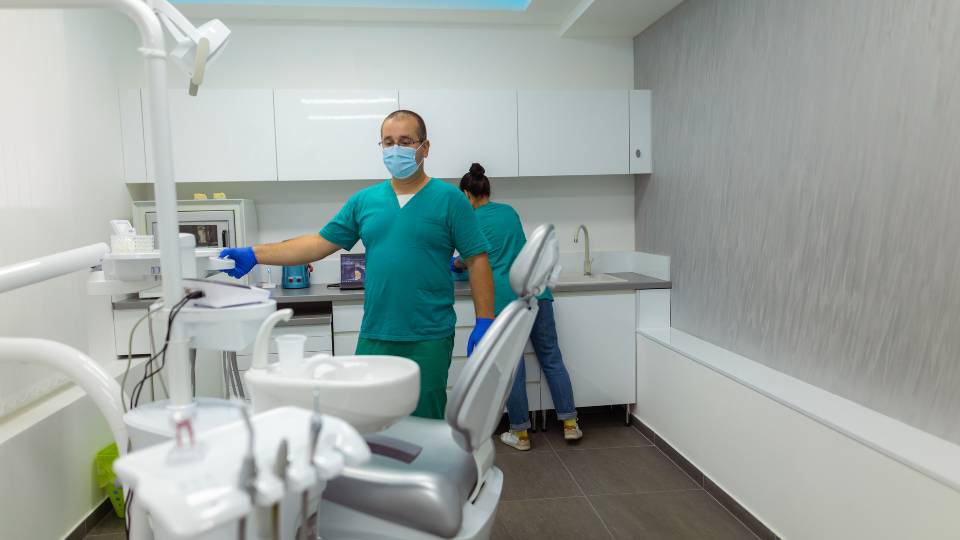
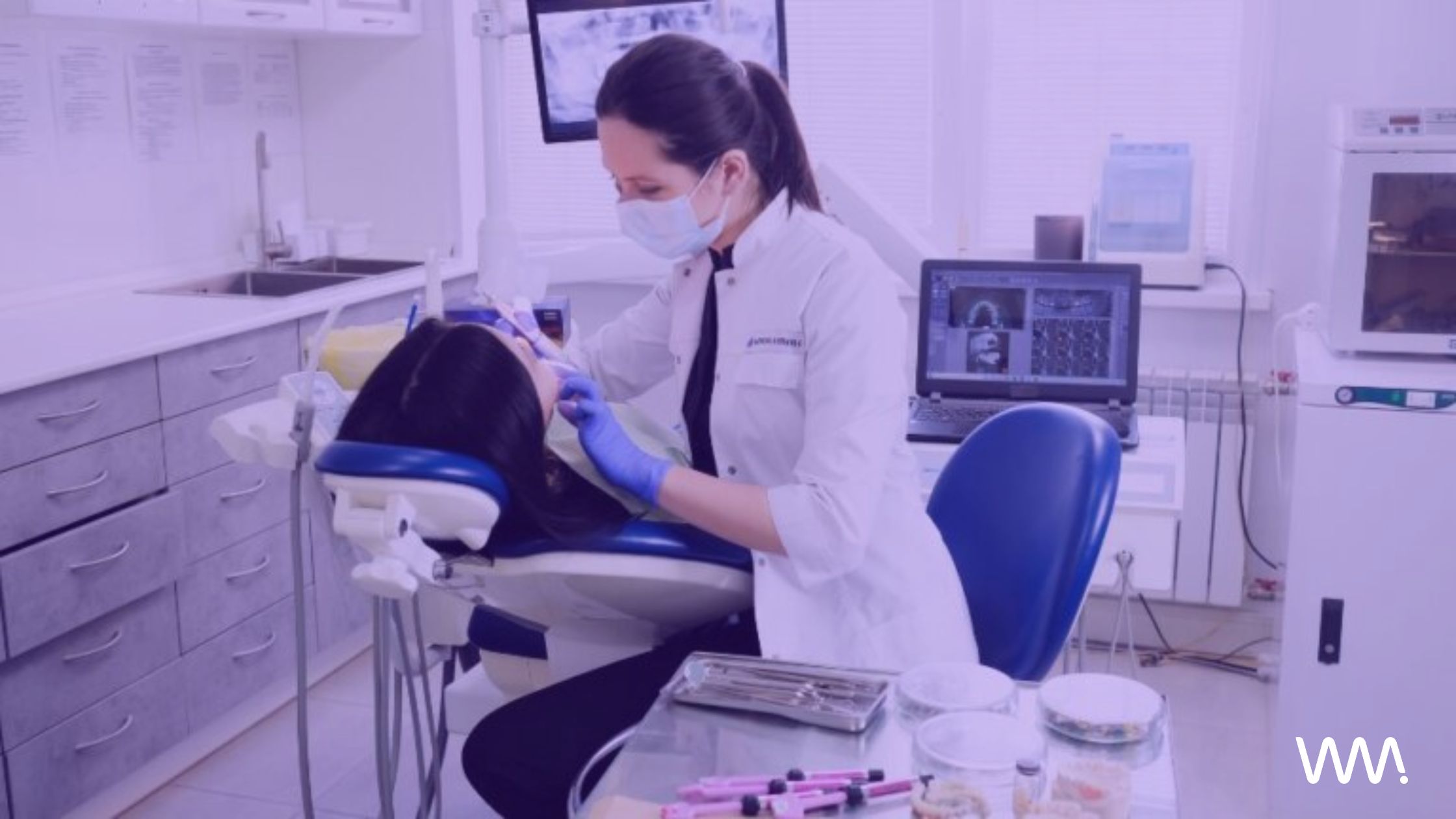
All dental clinics generate waste that needs to be disposed of safely.
Whether you provide check-ups and cleaning appointments or oral surgery and cosmetic dentistry, your practice produces clinical waste streams that must be stored, collected, and disposed of differently.
By managing your dental waste responsibly, you can help keep patients and employees safe, prevent harm to the environment, and make sure you comply with waste regulations.
Here at Waste Managed, we offer custom dental waste collections and dental waste disposals for clinics throughout the UK – our flexible collection routines are designed to suit your practice.
Types of Dental Waste
Dental practices have various waste streams that need to be segregated into the correct disposal method. Typical waste streams found in dental practice include:
• Clinical waste – Contaminated items such as PPE, dressings, swabs and single-use treatment items that have come into contact with blood or bodily fluids.
• Sharps waste – Needles, blades and other sharp objects that could puncture or cut skin. These items should be placed into clearly marked sharps bins.
• Amalgam waste – Items contaminated with dental amalgam. As amalgam contains mercury, it needs specialist disposal.
• Pharmaceutical waste – Unwanted, out-of-date or partially used medicines and anaesthetics.
• Corrosives, chemicals and radiographic waste – Waste x-ray chemicals and developers, fixers and other lab chemicals that require specialist disposal.
• Gypsum waste – Plaster casts and dental moulds made from gypsum that should be disposed of separately to other waste streams.
• General waste – Non-recyclable waste generated from everyday tasks in reception, offices and staff areas.
• Dry mixed recycling – Paper, cardboard, plastic bottles and cans that can be recycled when separated from other waste.
• Food and sanitary waste – Waste that originates from staff kitchens, toilets and welfare areas.
By clearly defining each waste stream, it can help ensure it is safely handled and avoids contamination or additional disposal costs.
Dental Waste Collection
Segregating your waste correctly at source is one of the most crucial elements of dental waste management.
By placing each waste stream in the correct container, you can minimise health and safety risks to your staff and patients, enable compliance with regulations and ensure your waste can be treated appropriately.
We offer dependable dental clinical waste collections as well as general waste, recycling and specialist waste collections.
We understand that different facilities have different needs and will work with you to determine how frequently your waste needs to be collected.
By keeping your clinical waste area tidy and organised, you can help keep your clinic safer for both employees and patients.
Waste Managed has collections covering the whole of the UK, making us the ideal partner for dental businesses with more than one location.
Our long-standing experience in the industry allows us to provide a seamless service whether you have one or one hundred collections.
Dental Waste Disposal
After collection, dental waste should be transported by licensed waste carriers and taken to treatment facilities which are suitable for the types of waste that require disposal. Clinical waste, sharps, pharmaceutical waste and amalgam will all need specialist treatment and should not be disposed of with your general commercial waste.
At Waste Managed, we provide dental medical waste disposal which is compliant with your duty of care obligations via our network of licensed partners, allowing you to ensure waste is dealt with responsibly.
Materials that can be recovered are taken to be recycled or processed using treatment methods which allow for resources to be extracted. Non-specialist waste such as paper, cardboard, plastics and metals are recycled where possible and dental waste categories which require specialist treatment are taken to licensed facilities which use methods approved for that waste type.
Dental Waste Regulations
Every dental practice has a duty of care to manage their waste safely; from the point it is created to its final disposal. This means ensuring waste streams are correctly identified, placed in the correct bins for segregation, stored safely and removed by licensed waste carriers.
Legislation such as The Hazardous Waste (England and Wales) Regulations 2005 and The Controlled Waste (England and Wales) Regulations 2012 outline how dental practices should classify, handle, store and dispose of hazardous waste and controlled waste. Additionally, dental practices in England should follow Simpler Recycling guidance and separate recyclable waste from general waste where possible.
Clinical waste, sharps, amalgam waste, pharmaceutical waste and other hazardous waste streams must be kept separate from general waste and managed safely, in line with legislation and guidance. Careful record keeping and retaining the correct waste transfer documentation can also help evidence your compliance with waste duty of care.
We make dental waste management easier by providing reliable waste collections for dental practices. We partner with a network of licensed waste carriers to provide clinical waste collections, sharps disposal and collections for your recyclable waste streams.
Our dental waste management services are flexible, so we’ll work with you to understand your needs and provide a service that helps you stay compliant and manage your dental waste safely.
What Our Experts Say
“The key to dental waste management starts with effective segregation. By separating your waste where it is created, you can minimise the risk of contamination and ease compliance with waste legislation.
Correct segregation also means waste streams can be treated or disposed of how they need to be. Ensure you have the correct collection schedule and waste solutions in place so you can spend less time concerned about your waste and more time concentrating on providing great care for your patients.
Here at Waste Managed, we understand that every practice is different, which is why we offer simple and dependable dental waste collections and disposal.”
– Glen Darrel, Head of Commercial

What Our Clients Say
Buttercup Dental is a busy dental practice with multiple treatment rooms that needed a reliable and compliant dental waste management solution. The practice required regular collections for specialist waste streams, including sharps and dental amalgam, alongside straightforward access to waste documentation.
Waste Managed worked with the team to provide tailored dental waste collection services, supported by an easy-to-use customer portal and app where they could manage services and access important documentation in one place. We also arranged the appropriate waste paperwork, helping make compliance simpler and day-to-day waste management more efficient.
“Tom was efficient, professional and polite while dealing with our request. I would recommend Waste Managed to anyone with specialist waste needs.”
– Buttercup Dental
Waste Managed are experts in commercial cardboard waste disposal and collection
We provide businesses up and down the UK with dependable commercial waste collections, as well as advising on the correct bin sizes your business requires.
Our experienced team has been providing businesses with impeccable customer service for 15+ years, and we now take care of 40,000+ happy customers.
Our team will help you efficiently and effectively manage your waste in a cost-effective way that doesn’t break the bank.
We deliver thousands of wheelie bins each year to suit your business’s needs. From the 240L bin perfect for the smallest business to the 660L and even 1100L bins.
Whether your business is an office, pharmacy, shop, or hotel, we can provide the best solution to keep your business waste managed.
Allow us to take care of your business waste and keep you compliant so you can get on with running your business.