
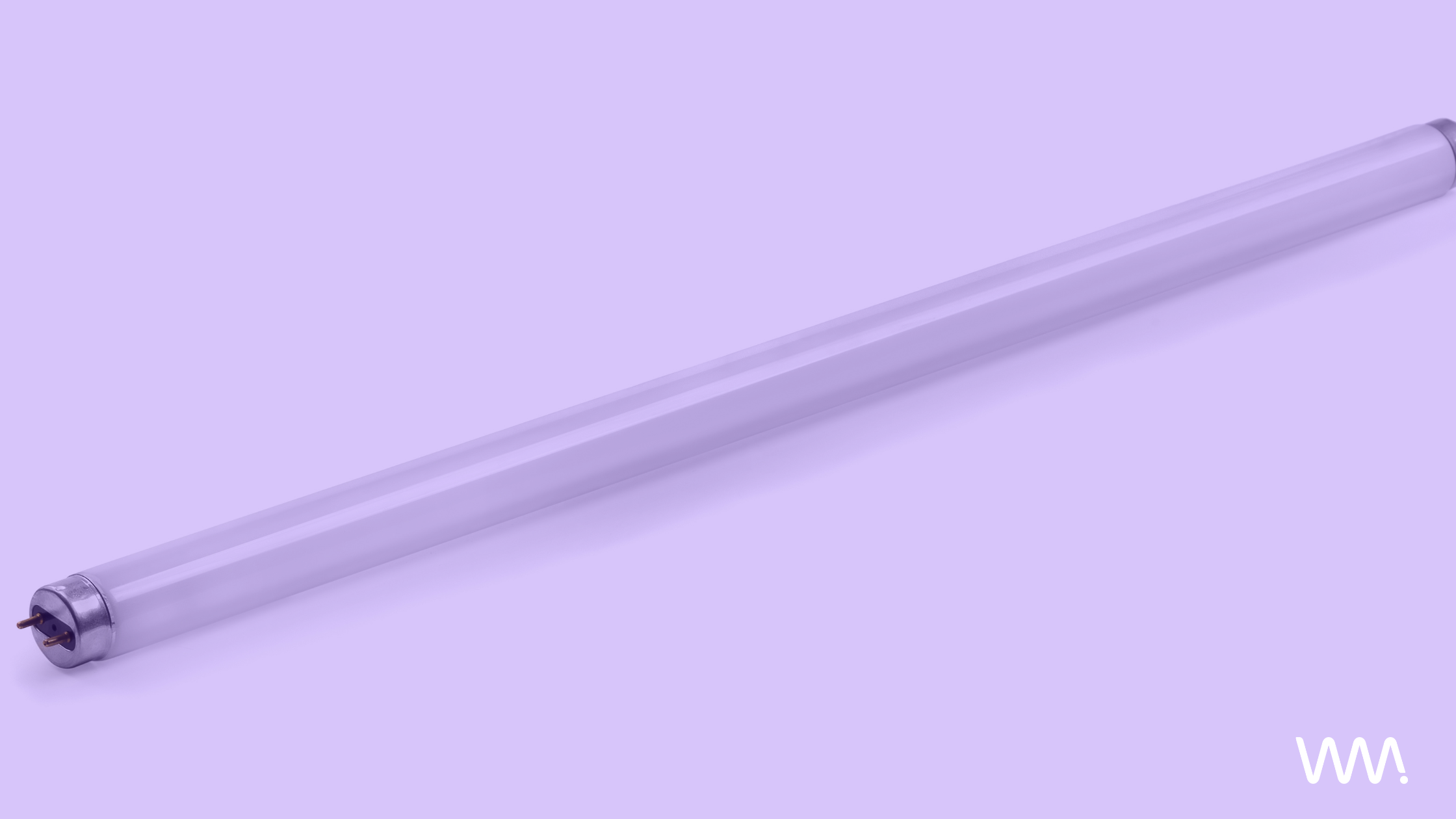
Fluorescent tubes contain small amounts of mercury, meaning that when disposed of, they should always go to an approved recycling centre or be collected by a specialist hazardous waste collection service. In the UK, fluorescent tubes should not be placed in general waste bins or recycling bins. Instead, they should be segregated from other waste streams when discarded. This allows them to be taken to a suitable recycling facility or collected by a licensed waste management provider to ensure safe treatment and compliance with environmental regulations.
Fluorescent tubes have been commonly used in a range of settings, such as homes, offices, warehouses, and retail environments, for many years due to their energy efficiency and long lifespan. As LED lighting becomes more energy efficient, many businesses and households are switching, which means disposing of existing fluorescent tube lights and wanting to know how to do so correctly and safely.
This guide explains everything you need to know about fluorescent tube disposal, including recycling options, storage requirements, what to do if a tube breaks, and how fluorescent lighting differs from modern alternatives.
How can I dispose of fluorescent tubes?
Fluorescent tubes should always be disposed of through an authorised recycling or hazardous waste collection service, never through general waste or recycling streams. Because fluorescent tubes contain mercury, they must be separated from all other types of waste before they are collected.
Common disposal options include:
- Local authority recycling centres that accept fluorescent lighting
- Household hazardous waste collections
- Specialist waste management providers
- Commercial recycling collections for businesses
- Dedicated fluorescent tube disposal box services
Fluorescent tubes are considered hazardous waste by both businesses and households. They must therefore be handled and stored properly to comply with waste legislation and, where applicable, regulations.
When transporting fluorescent tubes, take extra care to prevent them from breaking. Whenever possible, place the tubes back in their original packaging; if you do not have the original packaging available, use protective wrapping and secure containers designed for the storage and transportation of fluorescent tubes. If you are transporting a large number of fluorescent tubes, a fluorescent tube disposal box can provide a safe way to collect and store them before proper disposal.
Why do fluorescent tubes require special disposal?
Fluorescent tubes must be disposed of in a specialist, secure manner because they contain small amounts of mercury vapour. Although the amount of mercury in these tubes is low, it can still harm both humans and the environment if exposed.
When fluorescent tubes are sent to landfill or broken during disposal:
- Mercury can enter soil and water systems.
- Hazardous substances may contaminate the environment.
- Recyclable materials are lost.
- Businesses may fail to meet waste management obligations.
A proper recycling process allows valuable materials such as glass, aluminium, and mercury to be safely recovered and reused where possible.
Fluorescent Tube Disposal Methods in the UK
| Disposal Method | Suitable For | Recommended? |
| General waste bin | Households & businesses | ❌ No |
| Household recycling centre | Householders | ✅ Yes |
| Hazardous waste collection | Households & businesses | ✅ Yes |
| Licensed waste management provider | Businesses | ✅ Yes |
| Fluorescent tube disposal box service | Businesses with larger volumes | ✅ Yes |
For commercial buildings such as offices, schools, warehouses, and industrial establishments, pre-arranged specialist collections are usually the most convenient and safest way to dispose of fluorescent tubes.
How to dispose of fluorescent tubes safely
If you want to dispose of fluorescent tubes safely, follow these steps:
- Switch off and remove the tube carefully: Before removing the fluorescent tube, let the fitting cool down first, and avoid twisting or forcing it.
- Store tubes securely: If possible, place the tube in its original packaging or in a fluorescent tube disposal box.
- Prevent breakages: Where possible, store tubes horizontally and avoid placing heavy items on top of them.
- Arrange recycling: When disposing of fluorescent tubes, take them to an authorised recycling centre or arrange for a professional waste management provider to collect them safely.
Avoid breaking fluorescent lighting and tubes
One of the most important parts of safe fluorescent tube disposal is preventing breakages. When broken, fluorescent tubes can release small amounts of mercury vapour into the surrounding environment. Exposure from one single tube will not be a huge amount; however, precautions should still be taken.
If a fluorescent tube breaks:
- Leave the room and ventilate the area.
- Open nearby windows and doors.
- Avoid vacuuming immediately after breakage.
- Wear disposable gloves
- Carefully collect fragments using stiff card or paper.
- Seal all debris in a suitable bag or container.
- Dispose of the waste through an appropriate hazardous waste route.
Is fluorescent tube recycling possible?
Yes, fluorescent tubes can be recycled, and this is strongly recommended to avoid wasting materials.
Materials commonly recovered from fluorescent tubes.
| Material | Recycling Outcome |
| Glass | Processed for reuse |
| Aluminium end caps | Recycled into new metal products |
| Phosphor powder | Specialist treatment |
| Mercury | Safely extracted and recovered |
Recycling fluorescent tubes can reduce landfill waste and help minimise environmental pollution.
Many businesses choose professional recycling services to ensure fluorescent tubes are handled safely from collection through to final treatment.
How to replace fluorescent tubes
Many people replace fluorescent tubes when upgrading to more efficient lighting solutions.
Here are the key steps for replacing a fluorescent tube:
- Turn off the power supply.
- Allow the fitting to cool.
- Gently rotate the tube until it disengages.
- Remove carefully to avoid breakage.
- Install the replacement tube or LED alternative.
- Recycle the old fluorescent tube appropriately.
Where possible, many organisations now choose LED replacements because they use less energy, last longer, and contain no mercury.
Fluorescent Tubes vs LED Lighting
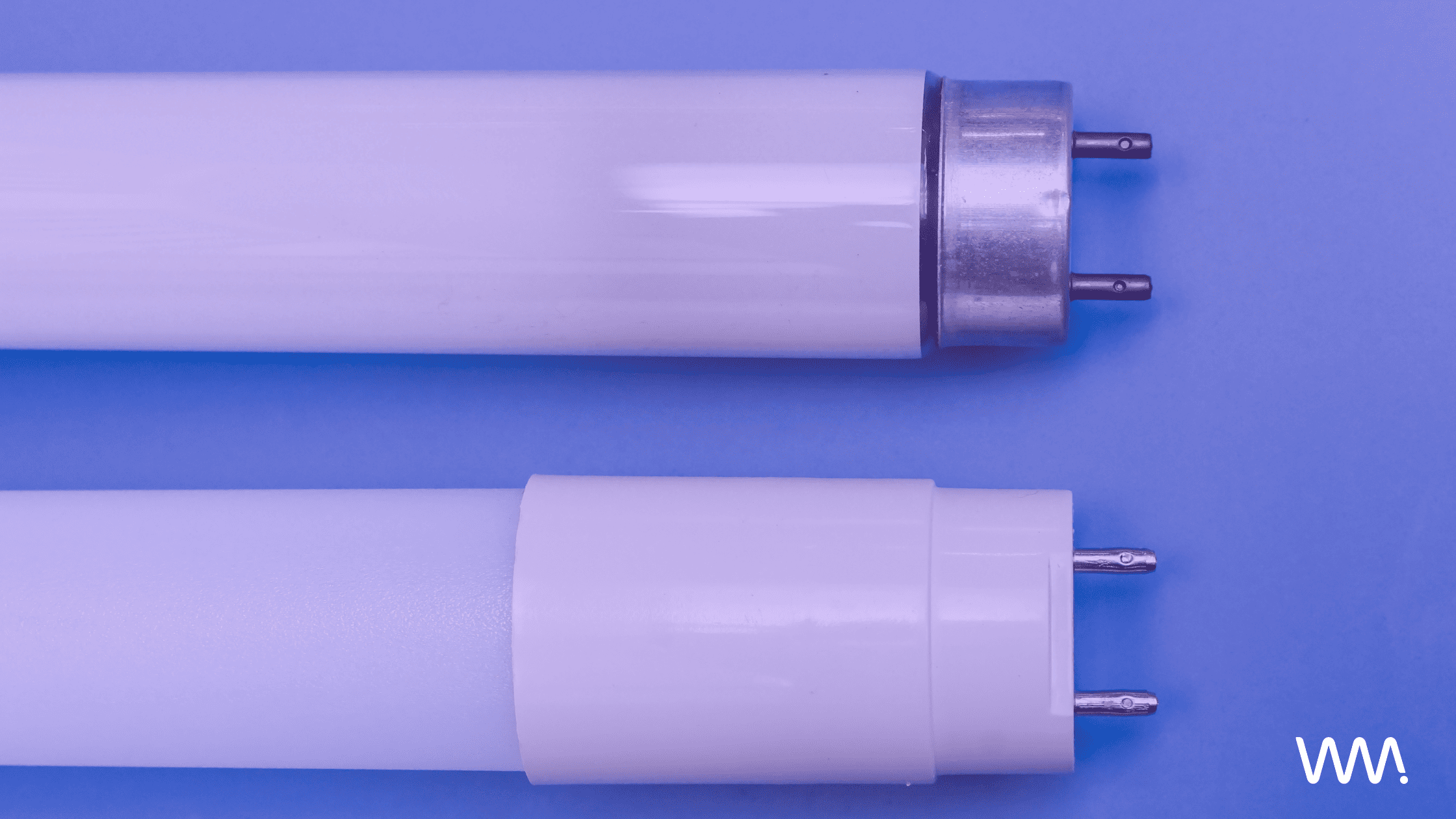
| Feature | Fluorescent Tubes | LED Lighting |
| Mercury Content | Yes | No |
| Energy Efficiency | Good | Excellent |
| Lifespan | Long | Very Long |
| Disposal Requirements | Hazardous Recycling | Standard Electrical Recycling |
| Environmental Impact | Higher | Lower |
LED technology is now the preferred choice for many homes and companies that want to cut maintenance expenses and reduce their environmental impact.
Get A QuoteConclusion
Properly disposing of fluorescent tubes helps protect both the environment and public health from mercury exposure. Because fluorescent tubes contain small quantities of mercury, they must not be thrown away with ordinary household waste and must be recycled through approved collection or disposal services. Using a fluorescent tube disposal box can help prevent breakage when tubes are stored and transported, and specialist collection services can help businesses meet their hazardous-waste obligations. Recycling allows valuable materials such as glass, metals and mercury to be safely recovered and put to further use, thus reducing their environmental impact. Even as more organisations move to LED lighting, it is still important to know how to dispose of old fluorescent tubes correctly as part of proper waste management.