
A Quick Summary:
- Implement safe systems of work, proper training, and correct sharps disposal to prevent injuries.
- Understand and comply with UK legal obligations under the Health and Safety (Sharp Instruments in Healthcare) Regulations 2013.
- Promote a culture of safety through regular protocol reviews, hazard reporting, and staff recognition.
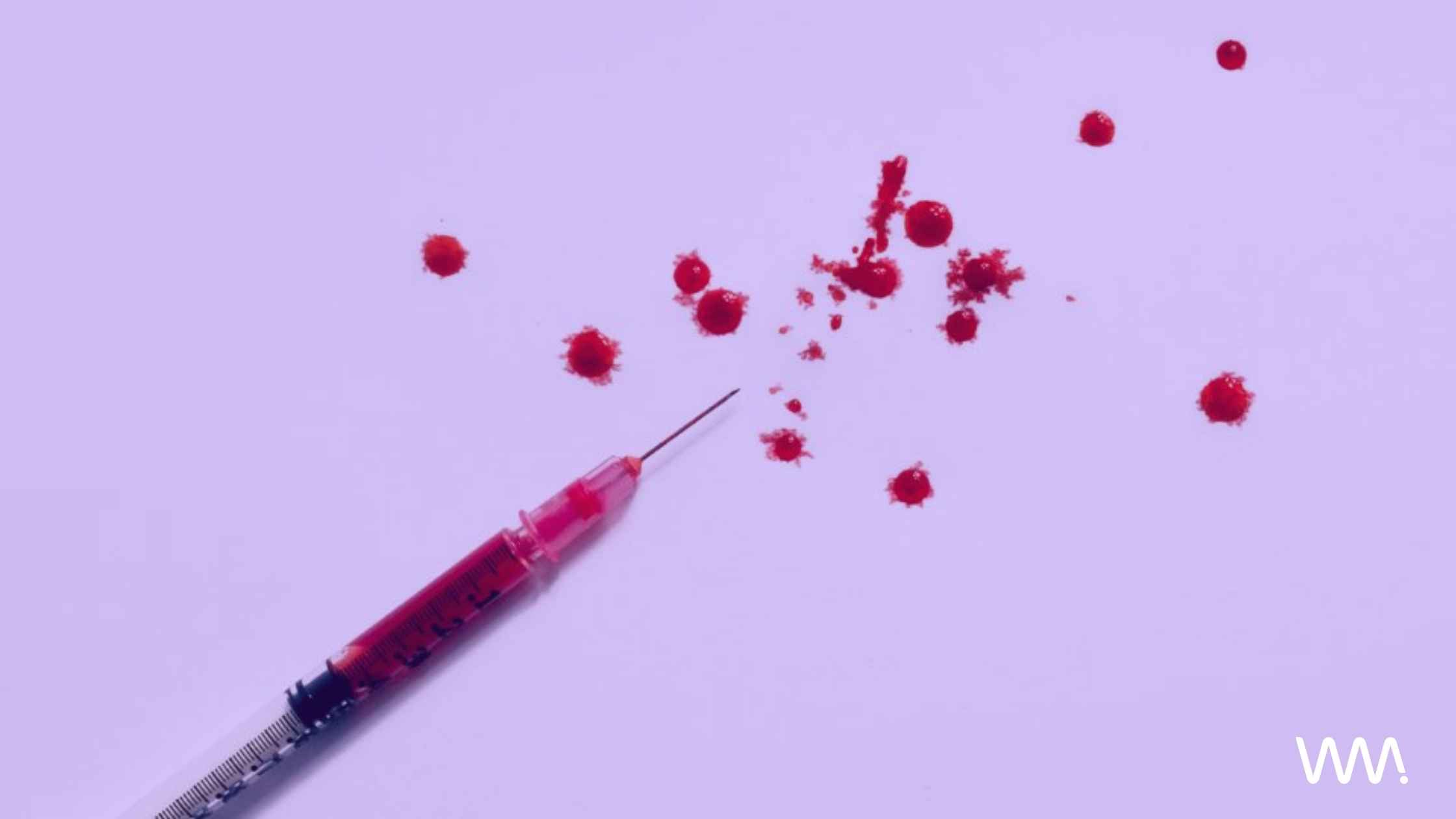
Sharps injuries, which involve needles, scalpels, and other sharp medical instruments, pose a significant risk in various workplaces, particularly in the healthcare sector.
For UK business owners, implementing robust sharps injury prevention measures is crucial to ensure employee safety, comply with legal requirements, and avoid costly incidents.
This guide provides a complete overview of strategies to prevent sharps injuries, helping you create a safer work environment.
Table of Contents
Understanding the Risks
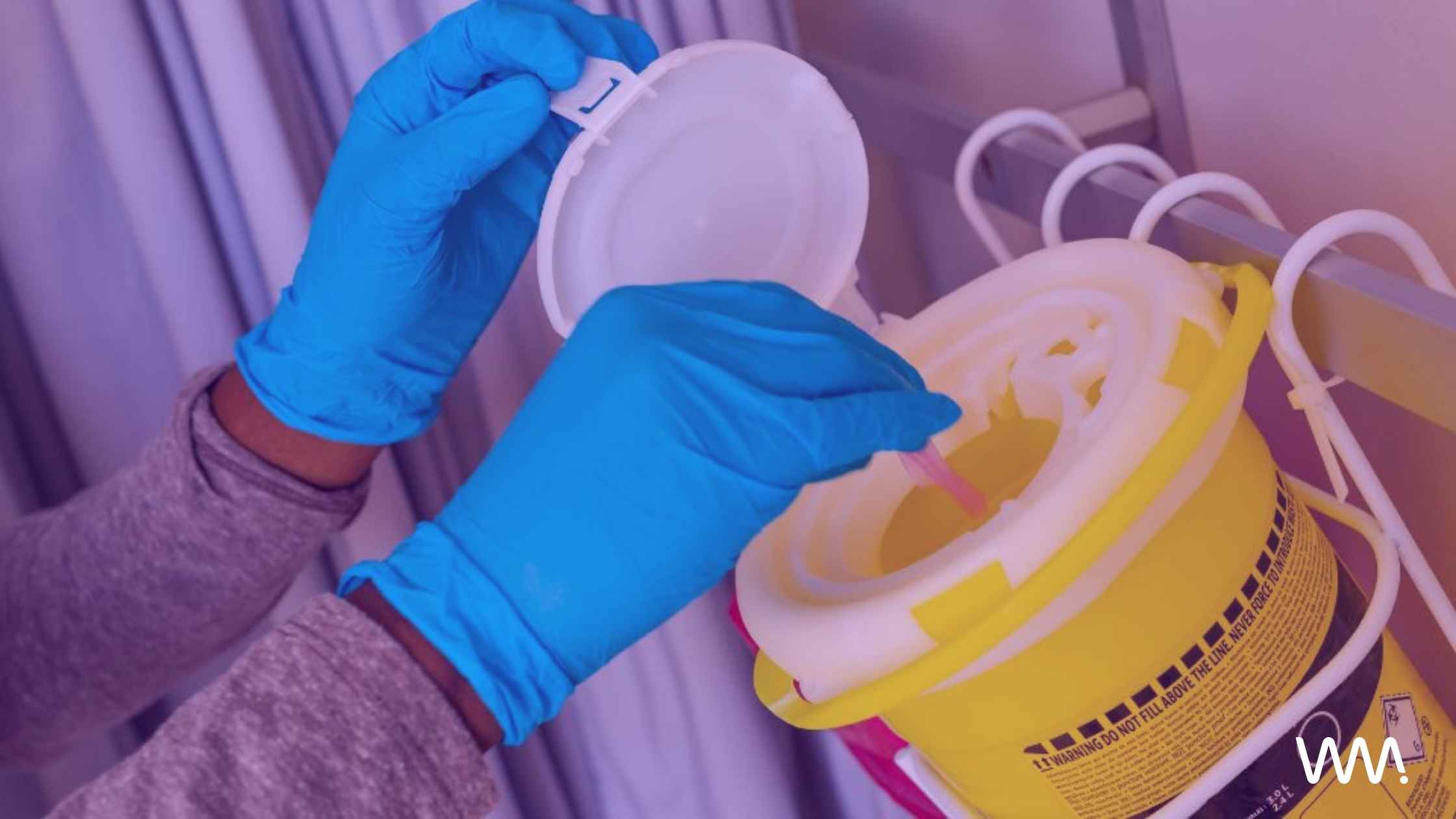
Sharps injuries can lead to serious infections and diseases, including hepatitis B, hepatitis C, and HIV.
These injuries not only affect the injured employee but can also have broader implications for the business, including legal liabilities and financial losses.
Legal Obligations for UK Businesses
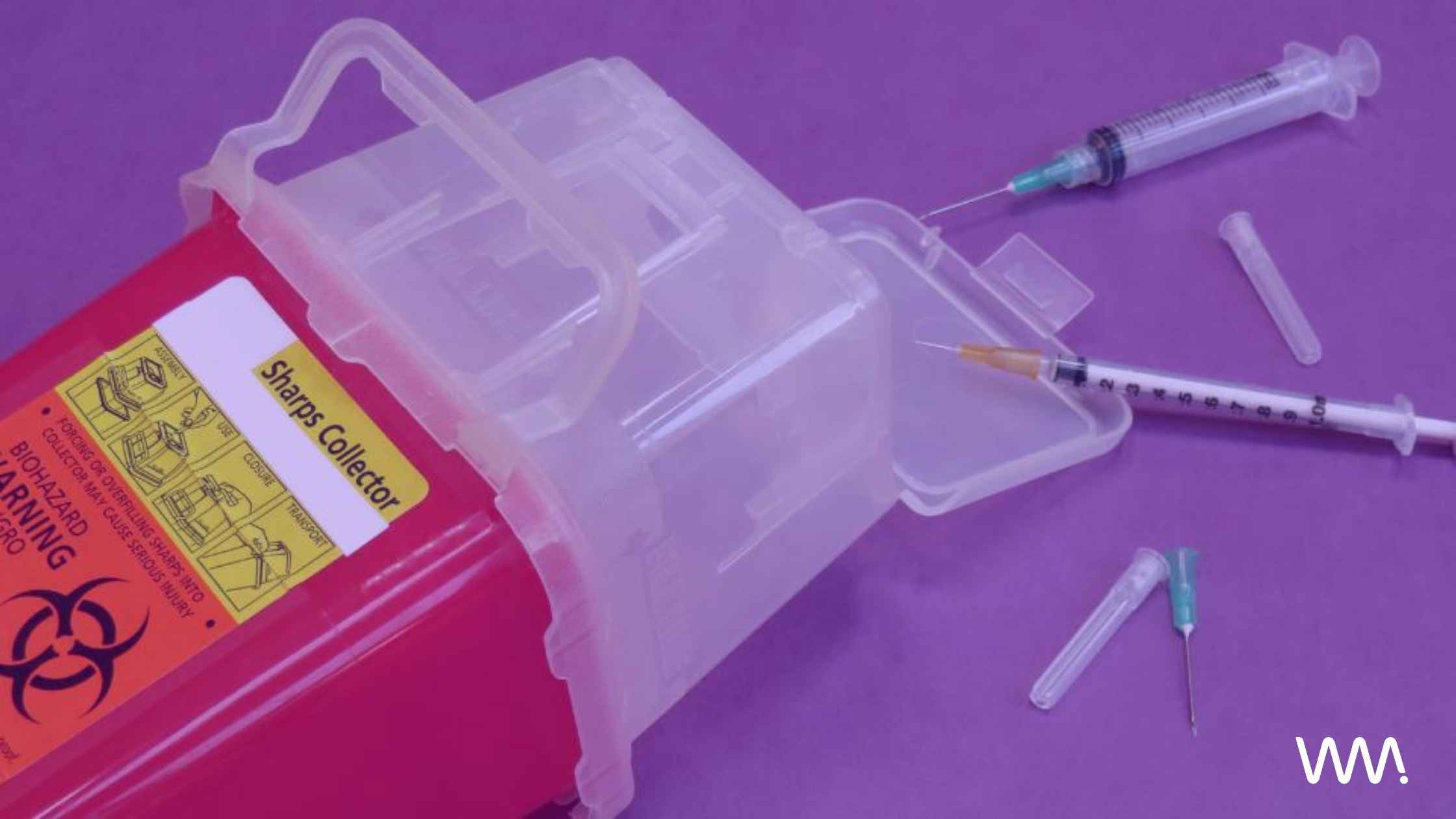
Under the Health and Safety (Sharp Instruments in Healthcare) Regulations 2013, UK employers are required to take specific steps to prevent sharps injuries.
Key obligations include:
- Conducting risk assessments to identify potential hazards.
- Implementing safe systems of work, including the use of safer sharps devices.
- Providing appropriate training to staff.
- Ensuring the safe disposal of sharps.
Best Practices for Sharps Injury Prevention
1. Implementing Safe Systems of Work
Adopting safe systems of work is critical in minimising sharps injuries.
This includes:
- Using safer sharps devices with built-in safety mechanisms.
- Establishing protocols for handling and disposing of sharps.
- Encouraging a culture of safety and vigilance among staff.
2. Proper Training and Education
Training is vital to ensure all employees understand the risks associated with sharps and know how to handle them safely.
Training programs should cover:
- Proper use of sharps devices.
- Techniques for safe disposal.
- Procedures to follow in case of an injury.
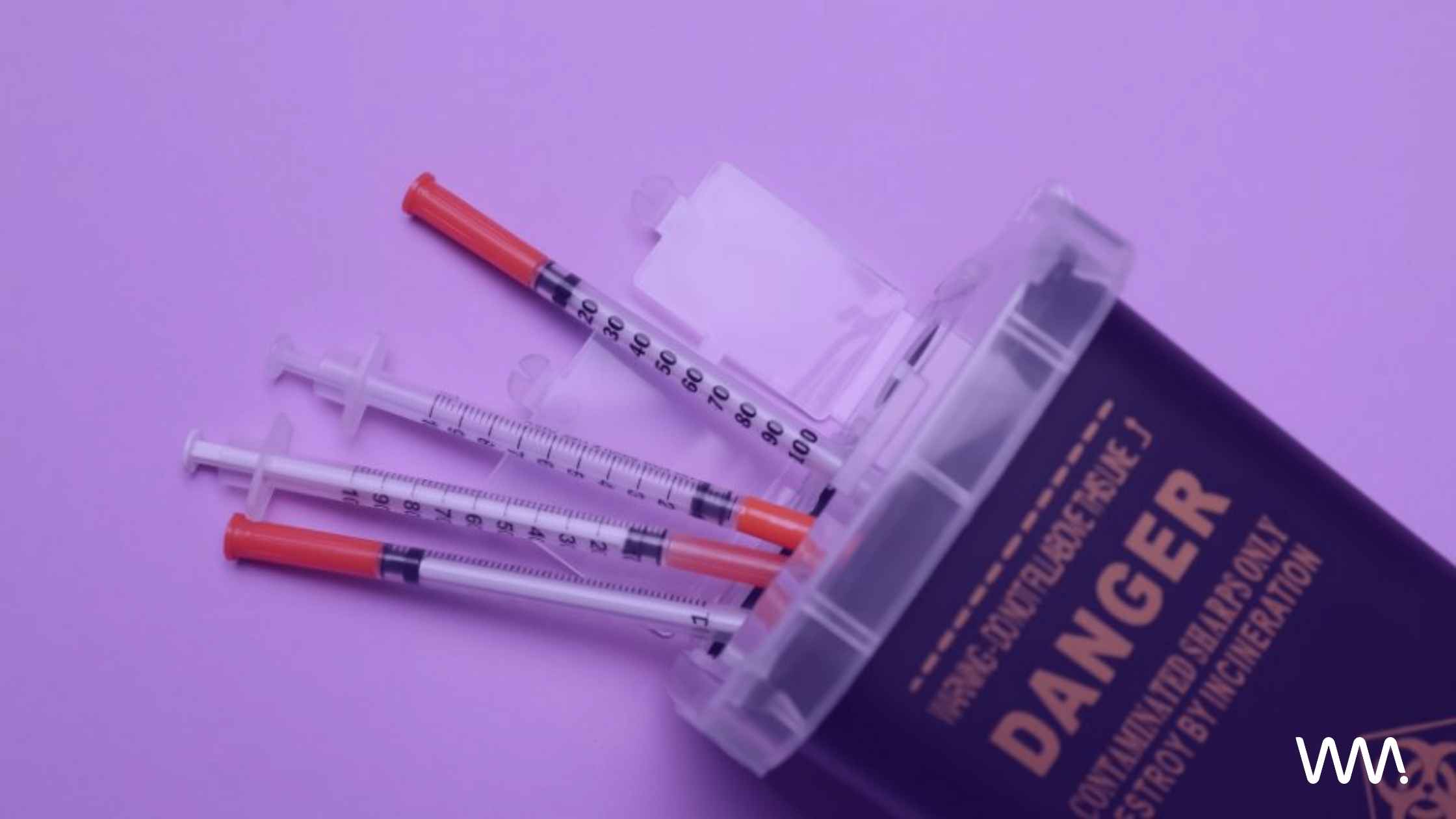
3. Safe Disposal of Sharps
Proper disposal of sharps is essential to prevent injuries.
Steps include:
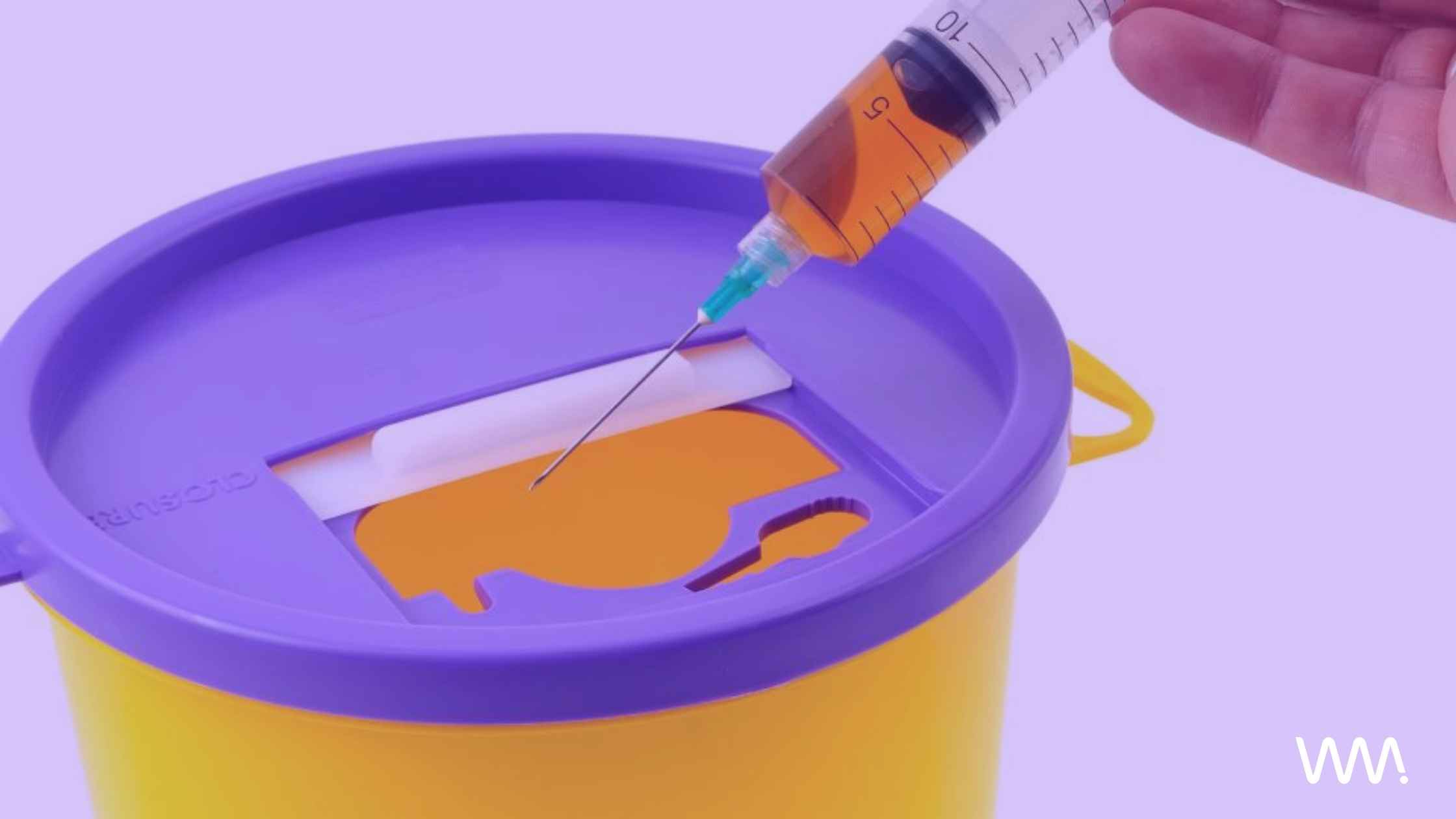
- Providing designated sharps disposal containers in easily accessible locations.
- Ensuring containers are puncture-resistant, clearly labelled, and disposed of when they reach two-thirds full.
- Educating staff on the importance of using these containers correctly.
Creating a Culture of Safety
Promoting a culture of safety involves:
- Regularly reviewing and updating safety protocols.
- Encouraging staff to report hazards and near-miss incidents.
- Recognising and rewarding adherence to safety practices.
Conclusion
Implementing these preventative measures will not only safeguard your employees but also ensure compliance with UK regulations, ultimately contributing to a safer and more efficient workplace.