



Dental waste management
The dental sector includes all professional oral healthcare services, from routine check-ups and fillings to specialist treatments and surgeries. Dental practices generate a wide range of waste, including general waste, recyclable materials, and clinical waste.
Effective dental waste management is essential not only for operational efficiency and compliance but also for reducing environmental impact while maintaining safe, sustainable practices. We specialise in dental waste collection and provide tailored solutions to help dental teams safely and efficiently handle all types of waste.
Understanding dental waste
Dental practices produce a variety of waste from different areas of the clinic, with volumes dependent on the patient numbers, services offered and clinical activity. Understanding where and how waste is generated helps practices choose the right commercial bins and the most appropriate commercial bin size, as well as collection schedules.
Where waste is generated in a dental practice
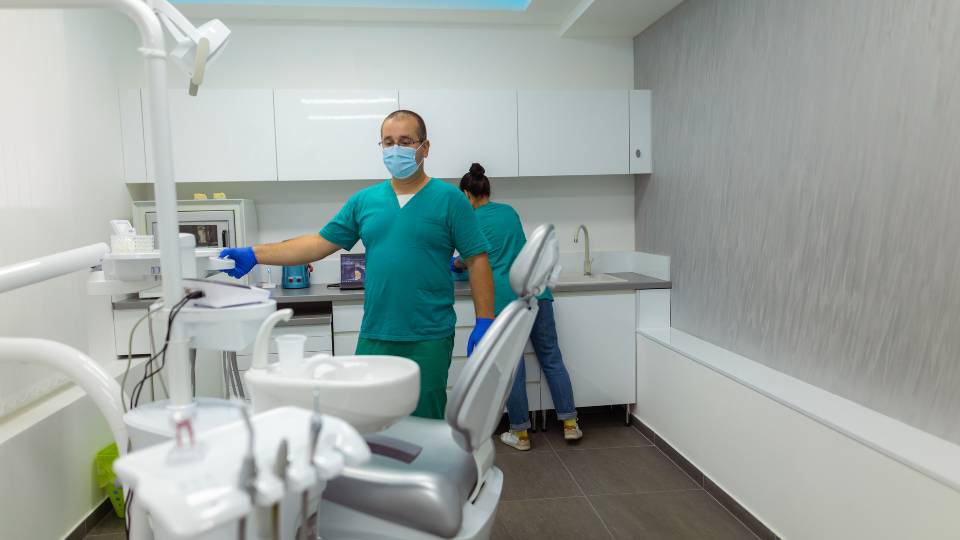
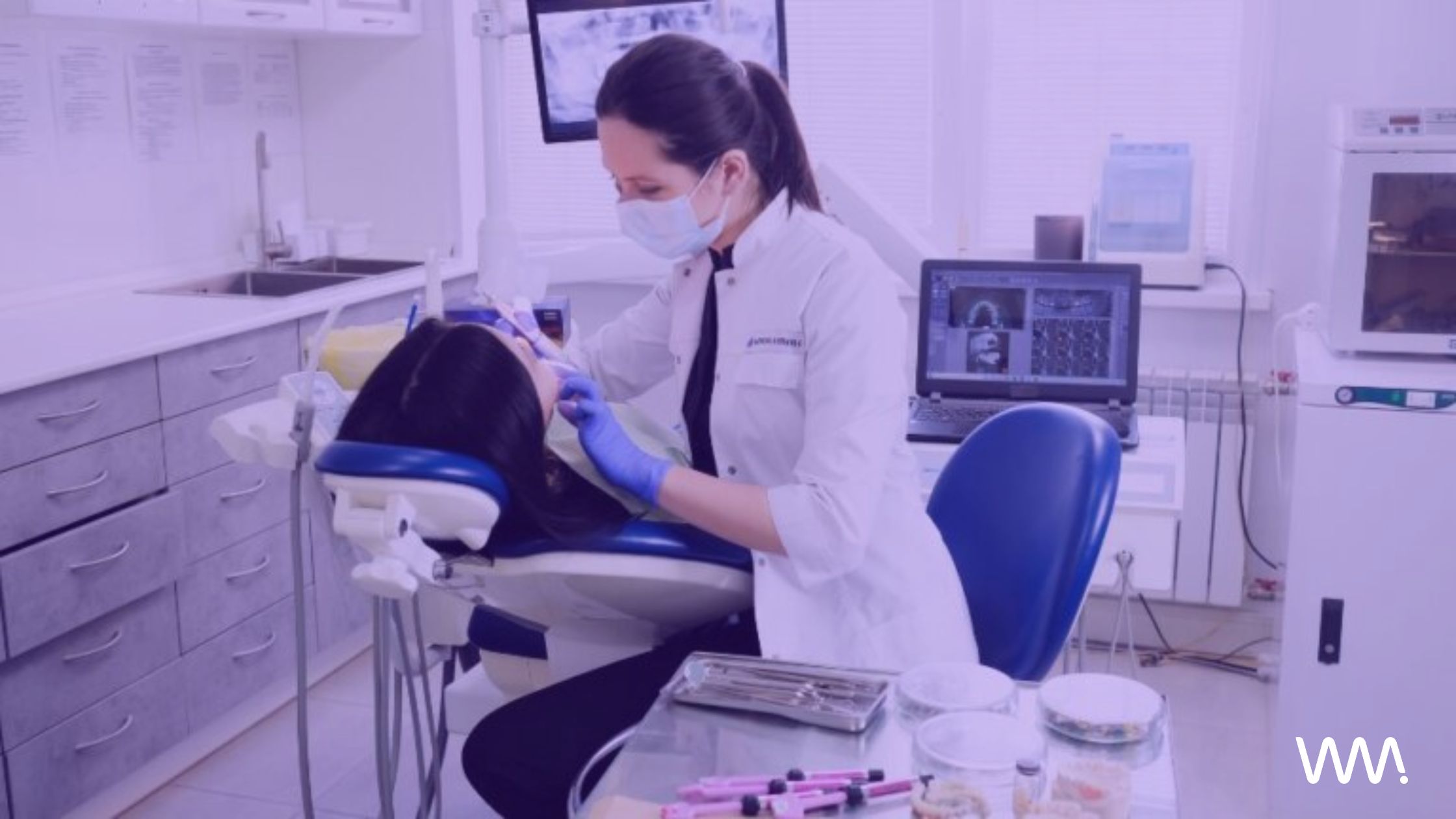
Treatment and examination rooms
High volumes of clinical waste from patient procedures
Includes contaminated PPE, single-use instruments, suction tips, cotton wool and other disposables
Sterilisation and decontamination areas
Packaging, wipes, cleaning agents, sterilisation wraps and tapes
Sharps collected after instrument processing
Reception and waiting areas
General waste such as paper, brochures, coffee cups and light recyclables
Lower volumes compared to clinical areas, but still important to separate
Offices and staff areas
Office paper, packaging and general waste from staff kitchens and workspaces
Toilets
Hygiene-related waste, including paper towels, tissues and sanitary products
Requires correct segregation and disposal to maintain hygiene standards
Typical dental waste types
Volumes will vary by the practice size and the activity levels:
- Sharps Waste: Needles, syringes, blades, and other sharp items must be disposed of in puncture-proof sharps containers.
- Amalgam Waste: Dental amalgam containing mercury, which must be collected separately to prevent environmental contamination.
- Clinical Waste: Contaminated items, such as used gloves, masks, gowns, and dressings, that come into contact with blood or bodily fluids.
- Chemical and Radiographic Waste: Disposed chemicals, fixers, developers and X-ray materials, which must be stored safely to prevent contamination.
- Pharmaceutical Waste: Expired, unused or contaminated medications that cannot be safely returned to stock.
- Gypsum Waste: Plaster and stone impressions, which should be kept separate from other clinical waste streams.
Poor dental waste management can have significant environmental, financial and operational impacts. Environmentally, improper disposal of clinical waste, plastics and dental amalgam can contribute to pollution, greenhouse gas emissions and mercury contamination of water systems. Financially, misclassification or overuse of dental clinical waste bins increases disposal costs, while regulatory non-compliance can result in fines and administrative burdens.
Operationally, ineffective waste management slows workflows, raises health and safety risks from sharps and contaminated materials and can damage a practice’s reputation with environmentally conscious patients.
According to NHS data, 69% of healthcare waste comes from just 15 product types, with PPE, including examination gloves, aprons and other single-use protective items, accounting for 22% of this waste. These figures highlight how waste is generated across different areas of a dental practice, and understanding the specific types of waste requires careful dental waste management.
Types of dental waste
Facts and stats
During an adult’s routine check-up, an average of 21 items are used each time. Many of these are single-use items, such as gloves, masks and tray liners, but in some cases, more items may be needed for the procedure.
- Dental amalgam, which contains approximately 50% mercury, accounts for a significant share of UK dental clinical waste, with an estimated 19–80 tonnes generated annually. To reduce environmental risk, the UK is phasing out amalgam use under the Minamata Convention on Mercury. All practices must install amalgam separators that capture at least 95% of amalgam from wastewater. This ensures mercury from leftover capsules, removed fillings and contaminated instruments is safely contained and disposed of via licensed dental waste management contractors.
- During the 2024‑25 dental inspections, the Care Quality Commission continued to identify compliance issues in dental practices. These included aspects of safety and infection prevention, such as ensuring dental clinical waste management was fully effective, as required by regulations. This highlights that challenges with dental clinical waste handling remain a focus of ongoing compliance in UK dentistry.
Why is dental waste management important
Effective dental waste management is essential for keeping practices safe, compliant and cost-efficient. Dental practices have a legal duty of care when handling dental clinical waste, which must be correctly separated, stored and collected in line with regulations. Using the right commercial bins helps prevent contamination, protects staff and patients and ensures waste is prepared for compliant collection.
Working with a waste broker makes managing waste simpler and more efficient. With the right commercial bin hire in place, practices benefit from flexible collections, correctly managed waste streams and a single point of contact. This helps control costs, supports compliance and allows practices to focus on patient care with confidence.
Dental waste management case study
Buttercup Dental Reception
Buttercup Dental is a busy dental practice with multiple treatment rooms. They needed dental waste management that was simple, reliable and fully compliant with clinical waste regulations, while keeping costs under control.
Waste Managed supported Buttercup Dental by setting them up with an easy-to-use app and customer portal, giving the team one central place to manage services and documentation. We also provided the correct legal paperwork for their waste, alongside hassle-free sharps and dental amalgam collections.
Buttercup Dental can now focus on patient care, confident that their dental waste is being handled safely and compliantly.
“Tom was efficient, professional and polite while dealing with our request. I would recommend Waste Managed to anyone with specialist waste needs.”
Dental Waste FAQ
What types of clinical waste are produced in dental practices?
Dental practices produce several types of clinical waste, each of which must be correctly separated and stored to ensure safe handling and compliance with regulations. Dental clinical waste streams include:
- Sharps Waste: Needles, syringes, blades, and other sharp items must be disposed of in puncture-proof sharps containers.
- Amalgam Waste: Dental amalgam containing mercury, which must be collected separately to prevent environmental contamination.
- Clinical Waste: Contaminated items, such as used gloves, masks, gowns and dressings, that come into contact with blood or bodily fluids.
- Chemical and Radiographic Waste: Disposed chemicals, fixers, developers and X-ray materials, which must be stored safely to prevent contamination.
- Pharmaceutical Waste: Expired, unused or contaminated medications that cannot be safely returned to stock.
- Gypsum Waste: Plaster and stone impressions, which should be kept separate from other clinical waste streams. Each waste stream should be kept separate and stored in the correct, appropriate colour-coded containers until dental clinical waste collection takes place. Proper separation reduces the risk of infection, protects staff and patients and ensures compliance during dental waste collection.
How should dental practices store and label their clinical waste?
Dental practices must store and label their waste in accordance with the Hazardous Waste Regulations 2005, ensuring proper separation, storage, transport and disposal. Following the correct guidelines helps maintain safety, regulatory compliance and smooth dental waste collection. Best practice for storage includes:
- Sharps: Store in a puncture-proof sharps container; keep it upright and out of reach of unauthorised personnel.
- Dental clinical waste: Use secure, leak-proof containers or bags for infectious or hazardous waste. Ensure that the containers are clearly labelled and closed when not in use
- General waste: Keep this separate from clinical waste streams to avoid contamination.
- Puncture-proof containers for sharps.
- Colour-coded bags or containers.
- Yellow bags for infectious dental clinical waste.
- Black or clear waste sacks for general and non-clinical waste.
Correct labelling not only ensures compliance with the Hazardous Waste Regulations but also supports the safe handling during dental waste collection.
How can dental practices reduce costs while staying compliant?
Dental practices can reduce costs without compromising on safety or compliance by adopting effective dental waste management strategies. Proper waste separation helps ensure that only hazardous materials are treated as dental clinical waste, reducing the volume of waste sent for specialist disposal. Minimising the overuse of disposable items and recycling non-hazardous waste where appropriate can also help lower overall costs.
Working with a waste management provider can further optimise dental waste collection by tailoring collection schedules to suit actual waste volumes, preventing unnecessary collections or overfilled containers. These efficiencies help control costs while maintaining full regulatory compliance.
By following best practices and using a reliable provider for dental clinical waste collection, dental practices can achieve cost savings while continuing to meet all safety and legal requirements.
Are there additional requirements for dental clinical waste collection in multi-site practices?
No, each site within a multi-site practice is treated as an individual practice. This means that every location requires its own legal documentation, including the Duty of Care: Waste Transfer Note and Hazardous Waste Consignment Note. Collection days may differ between sites, as schedules depend on location.
Working with a single dental waste management provider for all sites brings benefits:
- Simplifies compliance by managing documentation and collections centrally
- Reduces administrative workload and the risk of errors
- Ensures a consistent service and adheres to waste regulations across all locations
- Makes scheduling easier, even for sites with different regulations and collection needs
By having a streamlined process and a single dental waste management provider, multi-site practices can manage clinical dental waste efficiently, safely and compliantly.