Recycling is one of the most important environmental issues of our time, not just in the UK, but across the world.
As we collectively work to cut CO₂ emissions and meet climate change targets, reusing and repurposing materials has never been more important.
Extending the life of products and reducing the amount of waste sent to landfill or incineration are key parts of a circular economy. But despite growing awareness, recycling rates are still not where they need to be.
Why recycling still falls short
In 2023, the UK’s household recycling rate was 44.6% (Gov 2025), but the number of people recycling correctly is likely much lower.
According to WRAP’s Recycling Tracker, only 58% of UK households feel confident that they’re putting the right items in the recycling bin (WRAP 2025).
It’s easy to see why. Recycling rules often vary between regions, packaging labels can be confusing, and some products are made from mixed materials – meaning they’re part recyclable, part not.
Add all that up, and even the most well-meaning recycler can make mistakes.
The issue is, one wrong item in a recycling bin can contaminate an entire load, sending tonnes of otherwise recyclable material to waste.

Simplify Recycling, Cut Costs, and Stay Compliant: A Guide for UK Businesses
At Waste Managed, we recently ran a short street survey in central Newcastle. We asked over 100 people a simple question:
“What would you do if you weren’t sure whether an item can be recycled?”
Here’s what they told us:
- Look it up online or check the packaging: 28.2%
- Put it in recycling anyway: 25.5%
- Put it in general waste: 40.9%
- Put it aside until they know: 5.5%
This snapshot reveals just how much confusion exists. Around half of people throw uncertain items in general waste, while one in four practice “wish-cycling” – recycling something in the hope it’s accepted.
Unfortunately, wish-cycling often leads to contamination, meaning whole loads of recycling can be rejected.
While throwing uncertain items into general waste might seem safer, it also means many recyclable materials end up in landfill unnecessarily. Both habits come at a cost:
- More waste going to landfill
- Higher collection fees and fines
- Bins being rejected by collectors, causing overflow and wasted journeys – which in turn can attract pests and harm your businesses reputation
- Valuable materials losing the chance to be reused
Without clear guidance and consistent messaging, even the most well-intentioned recycling efforts can fall short, costing businesses money and undermining sustainability goals.
Recycling Legislation: What UK Businesses Need to Know
From April 2025, all businesses in England with over 10 employees must separate their waste for recycling. This means sorting materials into dry mixed recycling, glass, and food waste, ensuring each stream is handled and repurposed correctly.
By 2027, even micro-businesses (with fewer than 10 employees) will need to comply.
Across the UK, similar regulations are already being rolled out:
- Scotland – Waste segregation is already required, enforced by SEPA.
- Wales – New rules (introduced in 2024) require separate collections for paper, card, metals, plastics, cartons, unsold textiles, and small electrical items.
- Northern Ireland – Currently focused on separating food waste but expected to align with England’s “Simpler Recycling” rules soon.
Another major change coming in 2027 is the Deposit Return Scheme (DRS), which will apply in England and Northern Ireland (with separate guidance for Scotland). The DRS will cover most single-use PET plastic bottles and aluminium cans, encouraging people to return containers in exchange for a small deposit refund.
These changes are designed to make recycling simpler, clearer, and more consistent across the UK. But as our research shows, there’s still a big knowledge gap.
The Most Common Business Recycling Mistakes
1. Not Engaging or Educating Staff
A recycling system only works when everyone understands it. Many businesses start strong, but over time, the message fades.
According to WRAP’s 2025 Recycling Tracker, 81% of UK citizens haven’t heard or seen anything about the new workplace recycling legislation (WRAP 2025).
Without regular communication and refresher training, even good systems fail. As new employees join, business priorities change and habits slip. Environmental responsibility needs to be embedded in the values of the business and supported from the top down to work effectively.
2. Poor Bin Labelling and Signage
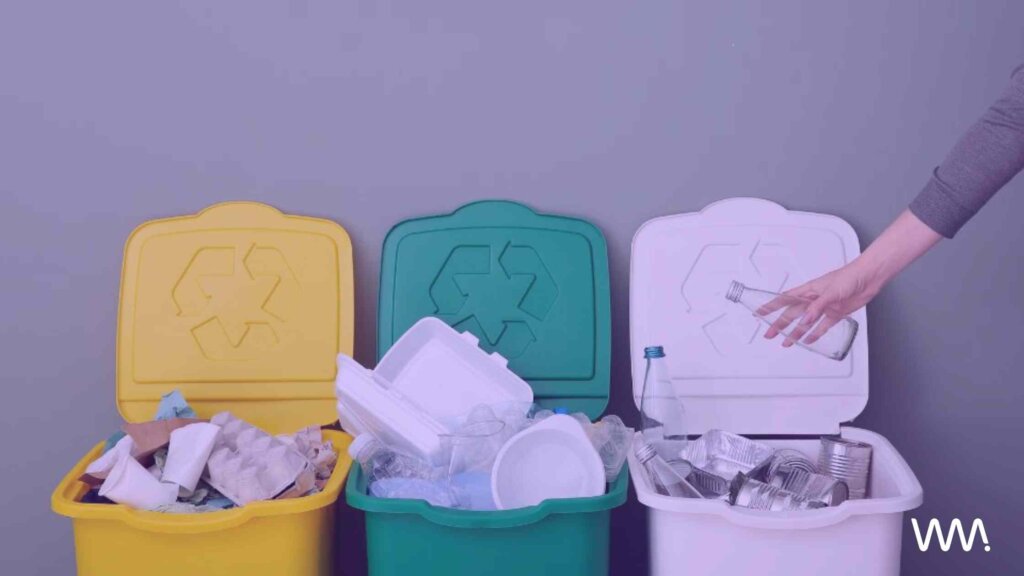
Even the best recycling systems can fail if bins aren’t clearly labelled. When staff can’t quickly see which bin is for what, mistakes happen and contamination rises.
Use simple, colour-coded bins with clear text and visual examples of what belongs inside. Place them in high-traffic areas such as kitchens, break rooms, and near printers.
3. Guessing What Belongs in the Recycling
There are many items that can cause confusion, for instance, a coffee cup – you might assume it can be recycled, and in some areas you can, as advanced technology has made it possible to separate the plastic coating from the coffee cups, but it most areas they are still extremely problematic. The best thing to do, is use a reusable coffee cup instead of disposable ones.
Guesswork leads to contamination.
Common items people try to recycle which cannot be recycled:
- Food-soiled cardboard or paper
- Plastic film and wrapping
- Disposable coffee cups with plastic linings
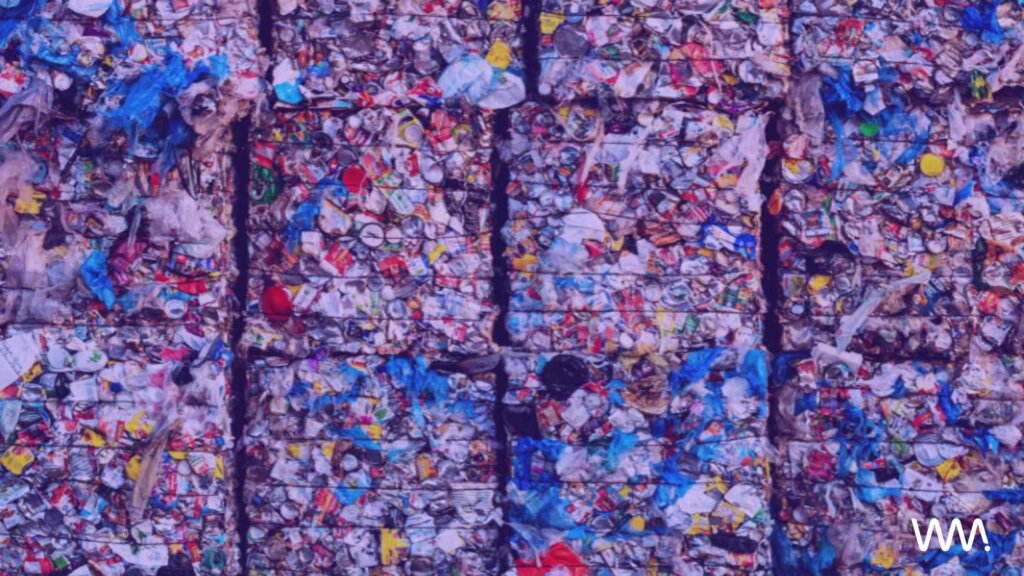
Even one contaminated item can spoil an entire batch, resulting in wasting time, money, and valuable materials.
4. Not Cleaning Containers Properly
Recycling doesn’t need to be spotless, but it should be free from leftover food or liquids. Dirty recyclables can ruin otherwise clean loads of paper, glass, or aluminium, meaning they’re rejected by recycling plants.
A quick rinse makes all the difference.
5. Removing Bottle Caps
Many people still remove plastic bottle caps before recycling, but these days, you can leave them on. In fact, most modern bottles are designed to keep the cap attached for this reason.
Just make sure the bottle is empty and clean before recycling.
Making Recycling Work for Your Business
By understanding common mistakes, keeping up with legislation, and giving your staff the right tools and training, your business can cut costs, reduce contamination, and embody sustainability principles.
We are here to help, for advice, tips or a free waste management quote for your business, get in touch and we’ll be happy to help.