In today’s fast-evolving regulatory and environmental landscape, specialist waste disposal has become a non-negotiable priority for many UK businesses.
From care homes and dental practices to healthcare providers and SMEs, any organisation that handles regulated, hazardous, or clinical materials must ensure those waste streams are managed safely, legally, and sustainably.
But what exactly counts as specialist waste, and why is correct disposal so critical?
This article breaks down everything you need to know, from legal obligations to sector-specific examples, while helping you choose the right waste management partner to protect your business, your people, and the planet.
What Is Specialist Waste?
Specialist waste refers to waste types that require specific handling, storage, transportation, and disposal procedures – often because they pose a risk to human health, safety, or the environment.
Unlike general commercial waste, these materials can’t be placed in regular bins or taken to standard recycling centres.
Common examples include:
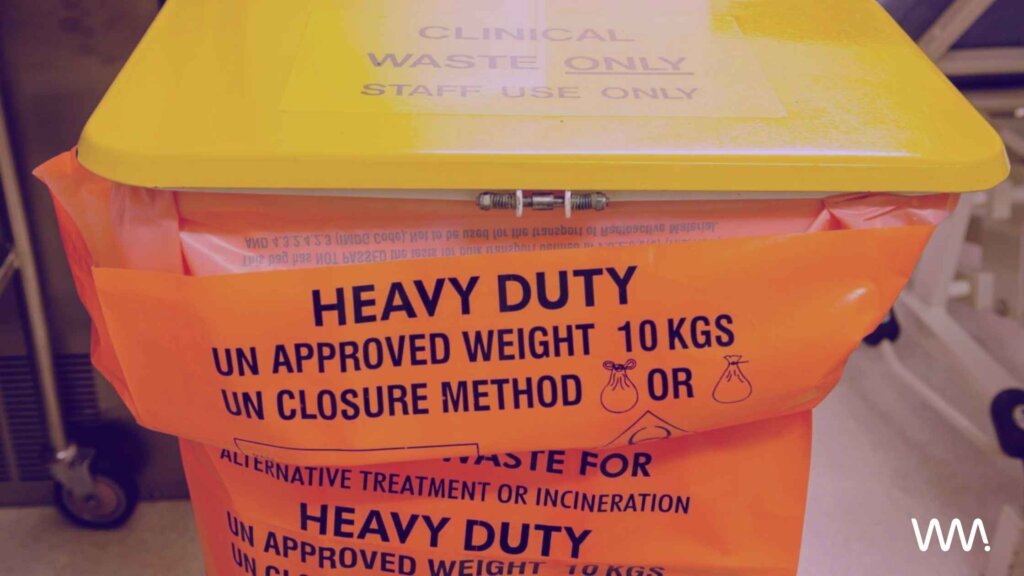
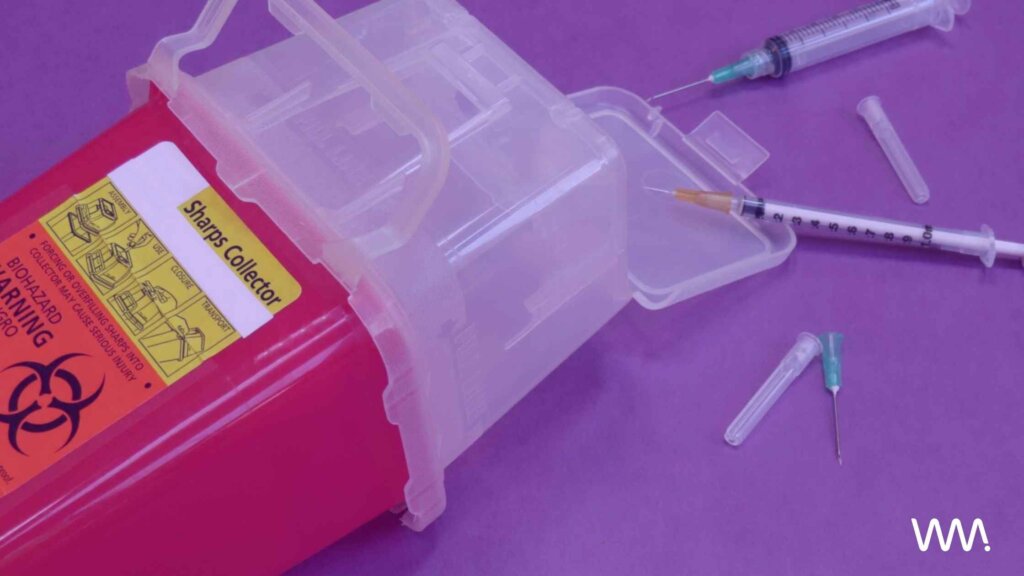
- Clinical and medical waste (e.g. sharps, dressings, contaminated PPE)
- Dental waste (e.g. amalgam, X-ray fixer, sharps containers)
- Hazardous waste (e.g. chemicals, oils, solvents, asbestos)
- Electronic waste (WEEE) (e.g. computers, printers, fluorescent tubes)
- Confidential waste (e.g. patient records, financial documentation)
- Pharmaceutical waste (e.g. expired or unused medication)
If your business produces any of these, you are legally obligated to manage it through a licensed specialist waste disposal provider.
Why Specialist Waste Disposal Matters
Legal Compliance
UK businesses are bound by strict regulations when handling specialist or hazardous waste.
From the Environmental Protection Act 1990 to the Hazardous Waste Regulations 2005 and sector-specific guidance like HTM 07-01 (for healthcare), the legal landscape is complex.
Failure to comply can result in:
- Hefty fines
- Revoked licenses or certifications
- Prosecution or director-level accountability
- Damage to your business reputation
A licensed waste disposal partner ensures every aspect of the process, from storage and collection to treatment and documentation, is compliant with current legislation.
Environmental Protection
Improper disposal of specialist waste can lead to soil contamination, water pollution, and air quality issues.
By working with a responsible waste management company like Waste Managed, you help reduce environmental harm through correct segregation, treatment, and recycling where possible.
Sustainability should be a core part of your business strategy. Demonstrating strong environmental practices can also strengthen stakeholder trust and contribute to ESG (Environmental, Social and Governance) performance.
Health and Safety
Whether it’s sharps from a care home or solvents from a manufacturing plant, improper waste handling can lead to serious injuries, infections, and exposure to hazardous substances. Specialist waste disposal protects your employees, customers, and the wider public.
Who Needs Specialist Waste Disposal Services?
Specialist waste isn’t limited to hospitals and laboratories. Many sectors produce regulated waste regularly without even realising it. Here’s how it applies across different industries:
Care Homes and Healthcare Providers
In the healthcare industry, handling clinical waste is a daily occurrence, such as dressings, incontinence pads, sharps, and used PPE.
Without correct segregation and disposal, your organisation risks breaching the Care Quality Commission (CQC) and Health and Safety Executive (HSE) guidelines.
Dental Practices
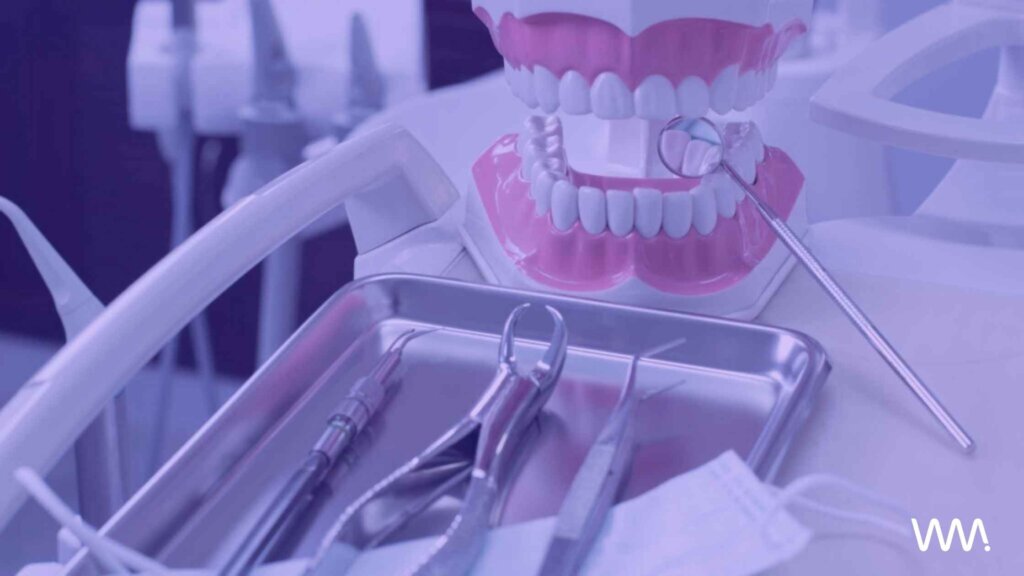
Dental waste often includes mercury-containing amalgam, fixer, developer, sharps, and gypsum.
These require dedicated containers and processes to avoid environmental harm and legal breaches.
You also need consignment notes to prove compliance.
Small and Medium Enterprises (SMEs)
Even offices generate specialist waste: think of old IT equipment, batteries, printer cartridges, and confidential data.
Ignoring the proper disposal of these items can lead to data breaches or fines under GDPR.
Industrial and Manufacturing Businesses
This sector often produces chemical waste, solvents, or materials contaminated during production.
These are strictly controlled and must be stored, labelled, and transported by licensed hazardous waste carriers.
What to Look for in a Specialist Waste Partner
Choosing the right waste management company can be the difference between full compliance and a costly regulatory breach. Here’s what to look for:
1. Licensed and Accredited
Ensure they are a registered waste carrier with the Environment Agency.
They should also hold relevant ISO certifications (such as ISO 14001 for environmental management).
2. Industry-Specific Expertise
Waste disposal is unique to each industry, even to each business. Your provider should understand the nuances of your sector, whether that’s dental, care, healthcare, or manufacturing.
3. End-to-End Service
A reliable partner will handle everything from container supply and collection schedules to disposal documentation and regulatory reporting.
4. Full Audit Trail
You should receive clear documentation, such as Waste Transfer Notes and Consignment Notes, for every collection. These are crucial during inspections or audits.
5. Sustainable Disposal Options
Look for companies that go beyond simple incineration or landfill. Can they recycle certain waste streams? Do they offer waste-to-energy solutions?
Working with a company like Waste Managed gives your business access to a national network of trusted, licensed disposal partners.
Instead of dealing with multiple contractors for different waste streams, you’ll get:
- One point of contact
- Competitive pricing
- Flexible, reliable collections
- Sector-specific compliance advice
- Consolidated invoicing and reporting
This not only saves you time and money, but it also gives you peace of mind that your business is always compliant and prepared.

Don’t Risk Specialist Waste Mismanagement
As waste regulations tighten and sustainability expectations grow, businesses must stay proactive about how they manage specialist waste. Whether you’re disposing of sharps in a care home, amalgam in a dental clinic, or redundant IT equipment in an office, ensuring correct disposal is your legal duty.
Taking the time to educate your team, review your waste processes, and partnering with a reputable waste provider protects your business, your reputation, and the environment.
Need a specialist waste solution tailored to your sector? Contact Waste Managed today for your free quote.