When it comes to managing clinical waste, even well-meaning businesses can make costly mistakes.
Whether you’re running a dental practice, care home, GP surgery, or salon, the rules around clinical waste aren’t just there for good housekeeping; they’re essential for keeping people safe, protecting the environment, and staying compliant with UK regulations.
However, there’s no need to worry: most mistakes are avoidable once you know what to look out for.
In this article, we’ll break down the five most common clinical waste mistakes we see, and more importantly, how to fix them.
1. Mixing Clinical Waste with General Waste
The mistake:
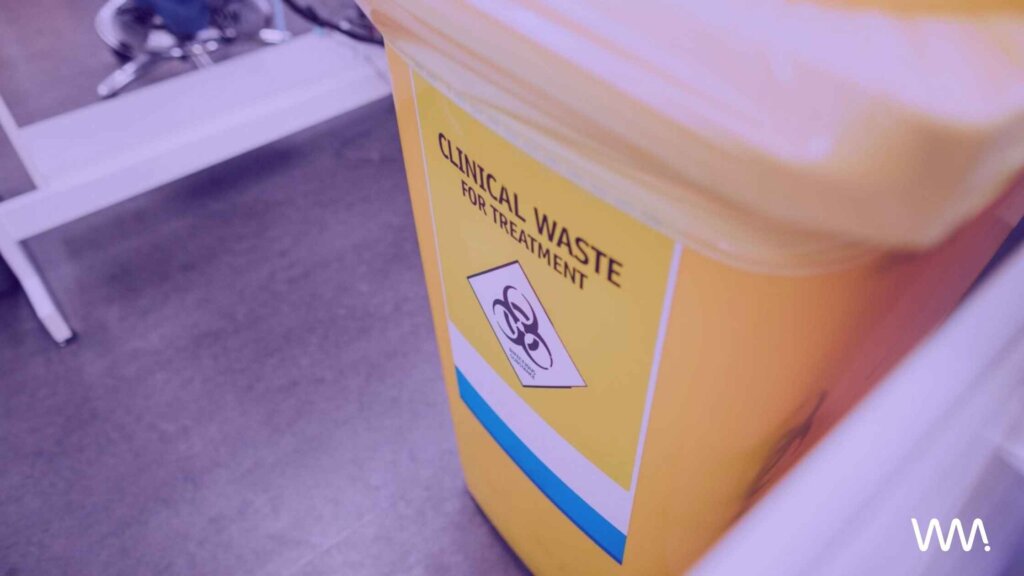
It might seem harmless to toss a small amount of clinical waste into a general waste bin, but this is one of the biggest errors a business can make.
Mixing waste streams can cause contamination, increase disposal costs, and lead to fines for non-compliance.
Why it matters:
Clinical waste (like used dressings, swabs, sharps, or items contaminated with bodily fluids) is classed as hazardous.
It needs to be treated and disposed of in a specific way to prevent health risks and environmental harm.
Mixing it with general waste can expose waste handlers, cleaning staff, and even the public to potential infection.
How to fix it:
- Provide separate, clearly labelled bins for each waste stream – e.g., tiger bags for offensive waste, orange bags for infectious waste, sharps bins for needles.
- Train all staff on what goes where, using easy-to-follow visuals.
- Regularly review your waste set-up to make sure the right bins are in the right places.
A little upfront organisation can save you a lot of trouble later.
2. Using the Wrong Colour Bags or Containers

The mistake:
Not all clinical waste is the same, and neither are the bags and containers it goes in.
Using the wrong colour can confuse waste contractors, increase the risk of contamination, and even breach UK waste regulations.
Why it matters:
The colour-coded system is designed to make segregation simple and safe.
Each colour indicates how the waste will be treated – for example, incineration, specialist processing, or landfill.
If you use the wrong colour, the waste could be sent to the wrong facility, which is both dangerous and illegal.
How to fix it:
Familiarise your team with the UK’s colour-coded waste guide:
- Orange bags – Infectious clinical waste for treatment or incineration.
- Yellow bags – Highly infectious waste for incineration only.
- Purple containers – Cytotoxic/cytostatic waste.
- Black bags – General waste.
- Tiger stripe bags – Offensive waste.
- Sharps bins – For sharps waste, such as needles and other sharp objects (different lid colours for different waste types).
Place a colour guide poster in every clinical area.
Check deliveries from your waste supplier to ensure you’re always stocked with the correct bags and bins.
3. Poor Storage and Overflowing Bins

The mistake:
Bins left overflowing, lids not closed or locked properly, or bags stored in open areas are hygiene risks just waiting to happen.
Why it matters:
Improper storage can lead to:
- Unpleasant odours.
- Attraction of pests.
- Increased risk of infection spread.
- Regulatory breaches may occur if inspections take place.
In the worst cases, it can also create hazards for staff and visitors if waste is spilt or accessed by unauthorised people.
How to fix it:
- Empty bins regularly to avoid overflow. Even if they’re not full, you should set a routine schedule.
- Always tie and label bags before storage. It is recommended to use the swan neck tie method.
- Keep clinical waste in a secure, weather-proof area before collection.
- Make sure your waste contractor collects frequently enough for your needs. If your collections are not regular enough, you should contact them to adjust your schedule.
4. Lack of Staff Training

The mistake:
Even with the right bins and bags, mistakes happen if staff don’t know how to use them correctly.
Many businesses assume “common sense” will cover it, but in practice, unclear training leads to contamination and compliance issues.
Why it matters:
Every person who handles clinical waste, even briefly, plays a role in safe disposal.
Without clear training, there’s a higher chance of waste ending up in the wrong place, which can lead to health risks and fines.
How to fix it:
- Give all new starters a short, practical training session on waste segregation.
- Provide refresher training every year or when regulations update or change.
- Use visual aids as reminders, such as posters, stickers, or bin-top signs.
- Include clear waste handling processes in your health and safety policy so there’s no room for confusion.
Training doesn’t have to be complicated, just clear, consistent, and easy to remember.
5. Choosing the Wrong Waste Contractor
The mistake:
Not all waste contractors are created equal.
Some may offer low prices but cut corners on compliance, collection schedules, or customer service.
Why it matters:
As a business, you have a legal duty of care for your waste until it’s safely disposed of – even after it leaves your premises.
If your contractor fails to handle it properly, you could still be held responsible.
How to fix it:
- Choose a contractor who is fully licensed and experienced in clinical waste.
- Ask about waste transfer notes and record-keeping – this paperwork is your proof of compliance.
- Look for a provider who offers flexible collections and clear guidance on segregation.
At Waste Managed, we help businesses across the UK manage clinical waste safely, efficiently, and in full compliance with legislation, so you can focus on running your business without the worry.
Final Thoughts
Managing clinical waste doesn’t have to be complicated, as long as you set up the right processes, give your team the tools they need, and partner with a reliable waste contractor.
By avoiding these five common mistakes, you’ll:
- Keep your workplace safer.
- Stay compliant with UK waste laws.
- Protect your staff, customers, and the environment.
If you’re unsure about your current setup or if you think you might be making one of these mistakes, we can help.
Waste Managed offers tailored waste solutions for businesses of all sizes, including free advice on segregation, colour-coding, and compliance.
Let’s keep your waste management simple, safe, and stress-free.