After rubbish is disposed of and collected, it is usually then transported to transfer stations, recycling centres, treatment facilities or energy-from-waste plants. Recyclable materials are separated from non-recyclable waste and processed into new products. Any organic waste will be extracted and then composted or treated through anaerobic digestion. Any non-recyclable waste can be used to generate energy at an energy-from-waste plant. These different treatment methods mean that a small amount of waste in the UK ends up in landfill compared to previous decades.
In this guide, we’ll explain where rubbish goes in the UK, how it is processed, and what happens at every stage after collection.
The Journey of Rubbish After Collection
Everyone puts their rubbish in a bin daily; however, very few of us think much about where it actually ends up. Despite this, it is becoming increasingly important to understand where waste produced in the UK goes as businesses, households, and local authorities work to reduce waste and increase recycling rates.
The journey of waste does not stop when it is collected. After collection, different waste streams are separated and sent to treatment facilities, recycling centres, and recovery processes designed to extract value where possible.
Where Does Rubbish Go in the UK?
Where rubbish ends up depends on the waste types involved. Different waste materials require different treatment methods, so waste is extracted and separated before processing. Generally, rubbish collected in the UK will be directed towards one of four destinations:
| Destination | Purpose | Typical Waste Types |
| Recycling Facilities | Materials are reprocessed into new products | Paper, cardboard, glass, plastics, metals |
| Anaerobic Digestion & Composting | Organic waste is converted into energy or compost | Food waste, garden waste |
| Energy from Waste Plants | Non-recyclable waste is converted into electricity and heat | General residual waste |
| Landfill Sites | Waste that cannot be recovered is safely disposed of | Certain residual and contaminated wastes |
With advances in waste management technology, more rubbish is processed and repurposed in recycling and recovery centres rather than ending up in landfill.
What Happens to Rubbish After Collection?
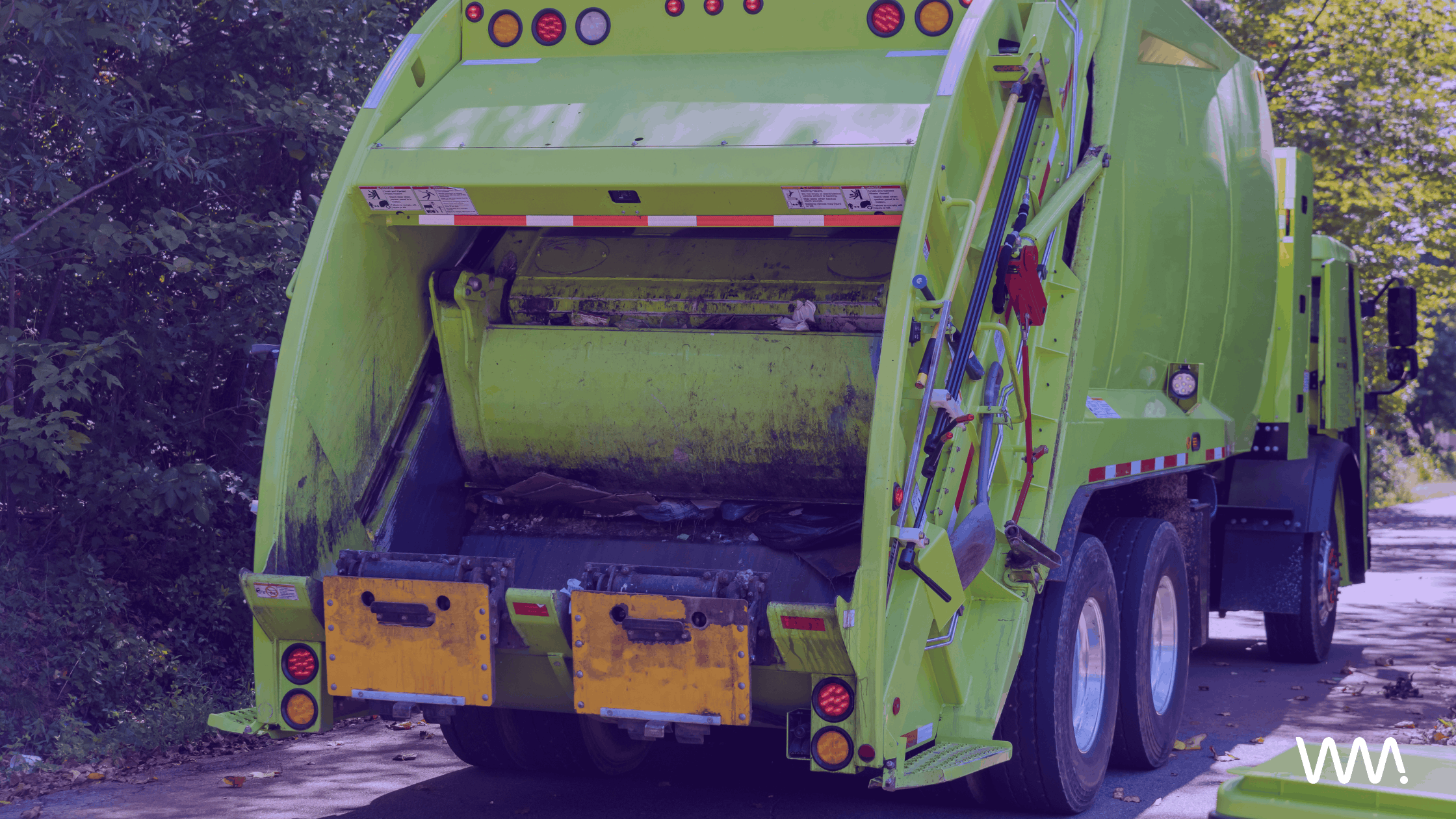
Once rubbish is collected from homes, businesses, and public spaces, it does not automatically go to its final destination. The collected waste is almost always taken to a transfer station or treatment facility, where it can be weighed, inspected, and sorted. Operators then extract and separate it into specific waste types before sending it to specialist facilities for recycling, treatment, or disposal.
The process generally follows these stages:
- Collection from households or businesses
- Transportation to a transfer station or treatment facility
- Sorting and separation of materials
- Treatment or recovery of recyclable and organic waste
- Energy recovery or landfill for non-recyclable materials
This layered approach is designed to help increase recycling rates while reducing the environmental impact of the waste collection process.
Why Is Waste Processing Important?
Waste processing is vital to the circular economy and offers significant environmental and economic benefits. When we recover and repurpose valuable materials from our rubbish, the UK reduces its reliance on raw resources while lowering greenhouse gas emissions and minimising how much waste goes to landfill. Proper waste management and treatment can also help to protect public health and prevent land, air and water pollution.
Some key benefits include:
- Increased recycling and resource recovery
- Reduced landfill usage
- Lower environmental impact
- Renewable energy generation
- Improved regulatory compliance
- Greater circular economy performance
How Is Waste Processed at A Treatment Facility?
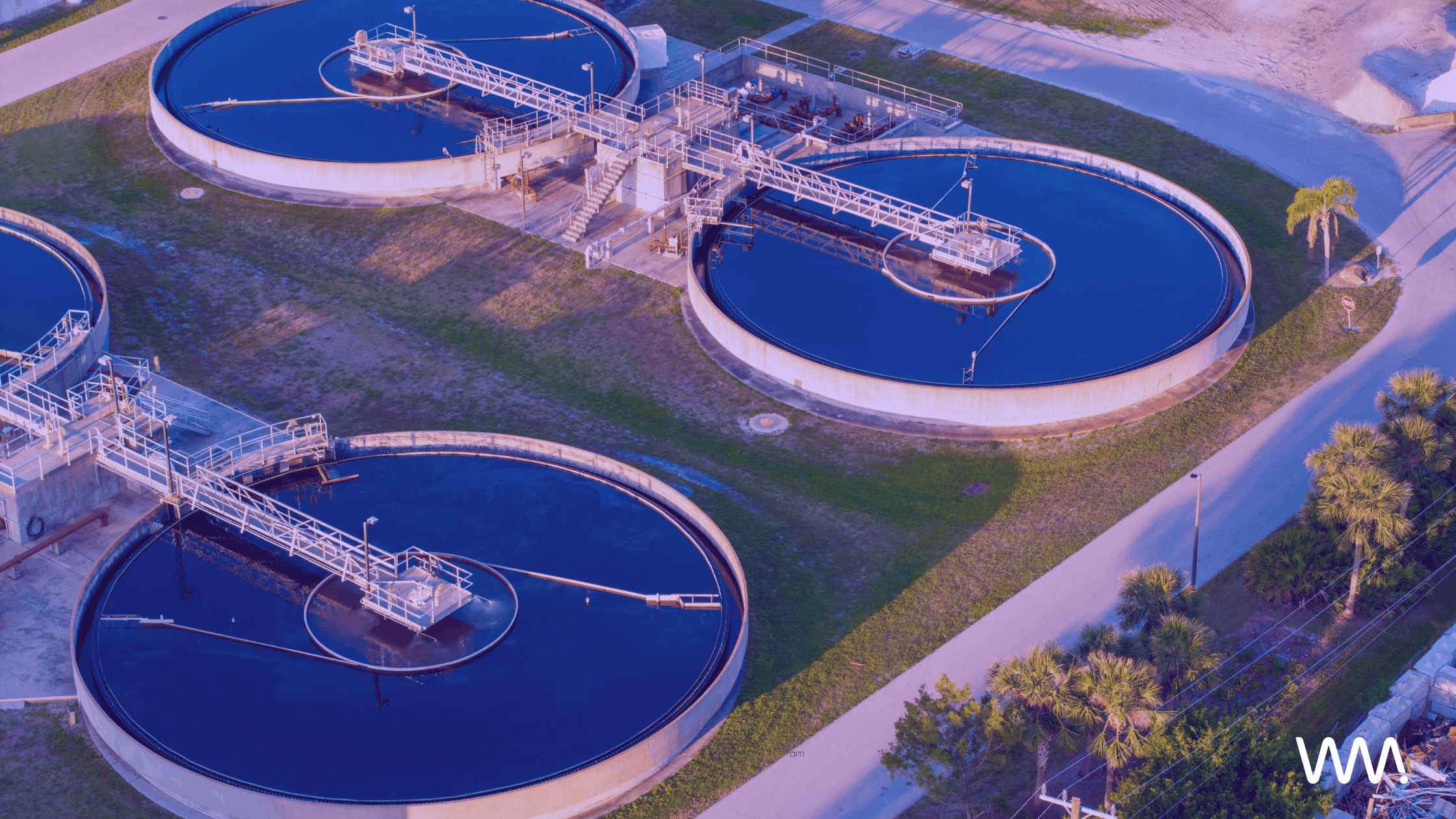
As populations continue to grow, the amount of waste we generate increases also. This is why it is critical that, across the UK, we have proper waste management procedures in place to protect the environment and public health. A key part of the waste management systems we rely on is treating waste at different treatment facilities. These facilities are designed to separate, treat and dispose of different types of waste materials safely, efficiently and in an environmentally responsible manner.
Collection
The first part of the waste processing process is collecting the waste itself. Waste can come from homes, businesses, and other sources, where it is collected before being transported to the appropriate treatment facility. Collection methods can vary; however, the general process is largely the same, regardless of the type of rubbish collected. Local authorities, commercial waste providers, waste drop-off points, and transfer stations are some of the most common collection sources, and all play a key role in moving waste through the process. Once collected, waste is logged and transported for further processing, ensuring materials are handled in accordance with environmental regulations.
Pre-treatment
When the waste arrives at the treatment facility, it initially undergoes pre-treatment. This involves sorting the waste to remove bulky items, hazardous materials, or anything that could damage equipment. Once this is done, the waste is shredded, crushed, or broken down into smaller materials to make the next steps more efficient.
Screening
After pre-treatment, waste is screened to remove any large materials not removed in pre-treatment and to separate organic waste. For example, removing food waste from inorganic materials such as plastics, metals and glass. Most modern treatment facilities will use a combination of mechanical screens, magnets, optical sorters and automated technologies to identify different material types.
Biological Treatment
Biological treatment methods of processing organic materials include composting, anaerobic digestion and other specialist techniques designed to break waste down naturally. Microorganisms and oxygen are vital to composting, which breaks down organic materials and produces nutrient-rich compost that can improve soil quality. Anaerobic digestion performs a similar function without oxygen. This process involves food and other forms of organic waste generating biogas, which can then be used to produce renewable energy as well as digestate that can be applied to agricultural land as a soil conditioner.
Physical and Chemical Treatment
Physical and chemical treatment methods involve processing organic materials through sorting, shredding, grinding, washing, and heating. One purpose of this part of the process is to separate recyclable materials from waste that can’t be recycled so that the recyclable materials can be repurposed and reused. For example, magnetic systems extract metal, plastics are separated by type, and paper fibres are recovered for recycling.
Recycling
Nearly all treatment facilities involve some form of recycling, where recyclable materials are extracted and separated before being sent to reprocessing centres. These materials are then transformed into new products, reducing the need for virgin raw materials.
Examples include:
| Material | What It Can Become |
| Paper & Cardboard | Packaging, newspapers, tissue products |
| Glass | Bottles, jars and construction materials |
| Plastic | Packaging, textiles, furniture and containers |
| Aluminium | Drink cans and manufacturing products |
| Steel | Construction materials and new metal products |
Landfilling
Any waste materials that can’t be recycled, reused, or recovered are sent to landfill for disposal as a last resort. Landfills are still a part of the UK’s waste infrastructure; however, less waste is sent to landfill sites than in previous decades. Most modern landfills are designed to contain waste safely and minimise the wider environmental risks. These include protective liners, gas capture systems, and groundwater monitoring equipment engineered into the sites to help prevent contamination and reduce emissions from waste decomposition.
Environmental and Safety Regulations
Strict environmental and safety regulations must be followed at every step of the waste management process. Waste treatment facilities operate under permits and regulatory controls that govern everything from emissions and material handling to site operations and worker safety. These regulations ensure routine inspections, monitoring programmes, and compliance audits are carried out to meet legal requirements and environmental standards across all treatment facilities.
The Bin Size Calculator
Does the UK See More Waste Recycled, Recovered or Landfilled?
Where waste ends up is dependent mainly on the waste type but also on the geographical region where it is collected however, most will fall into one of three categories:
- Recycled into new products
- Recovered as energy through treatment processes
- Sent to landfill when recovery is not possible
The waste sector in the UK has intentionally moved away from relying on landfill sites and prioritising recycling and energy recovery solutions to help reduce environmental impacts and increase resource efficiency.
How Businesses Can Reduce the Amount of Waste They Produce
Understanding where rubbish ends up matters, but it is even more important to reduce waste at the source. Businesses and organisations can reduce the amount of waste they generate in many ways. Some waste reduction strategies include:
- Improving recycling systems
- Segregating waste correctly
- Reducing unnecessary packaging
- Introducing food waste collections
- Reusing materials where possible
- Training employees on waste management best practices
Conclusion
In most cases in the UK, waste will be recycled, recovered for energy or biologically treated where possible, before landfill is considered. Modern waste management processes focus on extracting as much value as possible from discarded materials, helping conserve resources and reduce environmental impact. This is why it is vitally important that households, businesses, and local authorities understand what happens to rubbish after collection and how it is processed, because reducing waste at source and recycling correctly can reduce the wider environmental impact of waste disposal.
Get A Quote